Blackburn Open Day
Read the article written about Blackburn Open Day
Join us at Blackburn Fire Station for our Open Day on Sunday 23rd August, from 1:00pm to 4:00pm.Face paintingFood stallsRaffle and tombola with great prizesBurn displa...
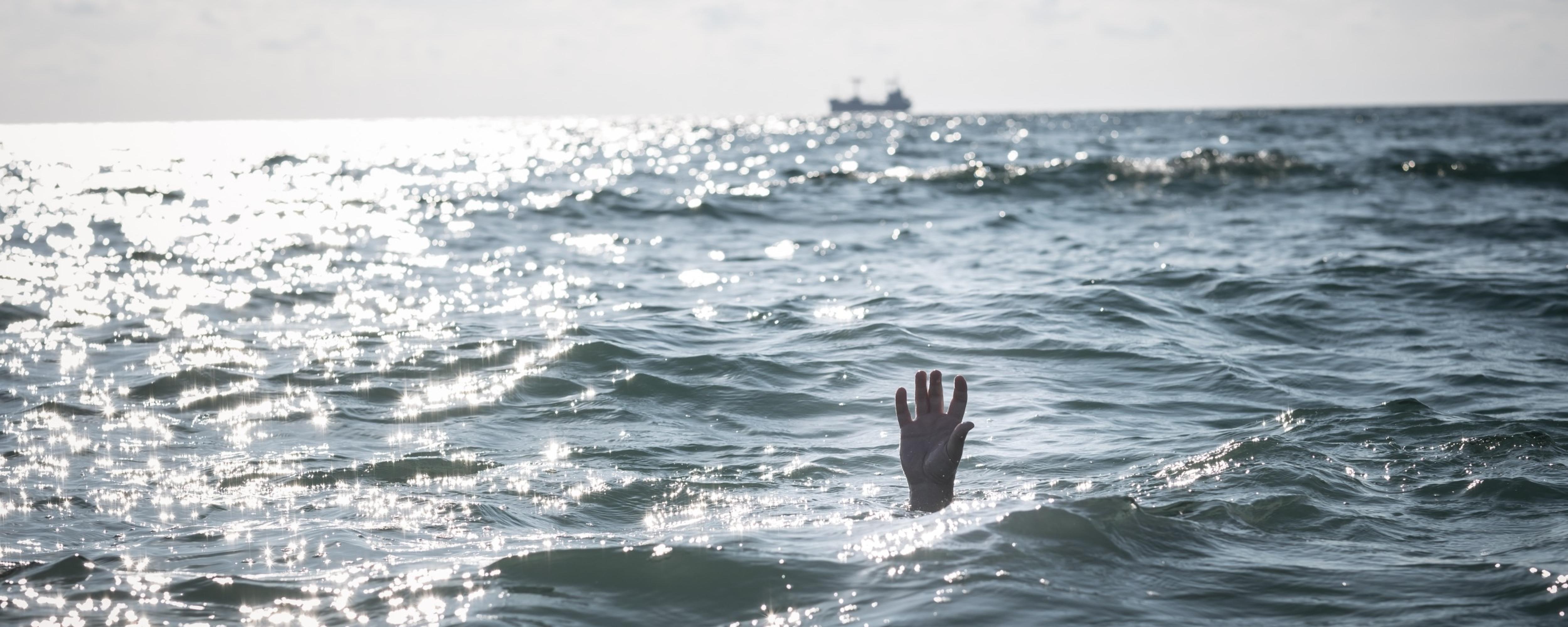
Every year people drown in Lancashire. On average there are 50 of these tragedies every year in the UK.
As temperatures rise, it's tempting to cool off with a swim in a river, canal, lake or reservoir. Lancashire Fire and Rescue Service is regularly called to rescue people who have got into trouble in the water.
There is no supervision.
The cold water temperatures can claim your life in minutes even if you are a strong swimmer.
It's difficult to estimate the depth of the water. It may be much deeper or much shallower than expected.
There are often no suitable places to get out of the water due to steep slimy banks and sides.
There is no way of knowing what lies beneath - there could be weeds, pipes, shopping trolleys, sharp metal and broken bottles.
Swimming in open water can lead to a variety of serious illnesses. There may be hidden currents. Flowing water or swimming in the sea can be especially dangerous.
Alcohol and swimming don't mix - perception and capability are both affected by drinking.
Swim somewhere safe, like the swimming baths.
Obey the warning signs around reservoirs, lakes, canals rivers and at the beech.
Value your own safety first - jumping into the water to rescue pets or belongings can be highly dangerous.
Know what to do in an emergency - ring 999 and explain your location clearly and describe any landmarks.
Enjoy organised water sports in a safe environment - with the correct equipment and a qualified instructor.
Lancashire Fire and Rescue Service discourages swimming in canals, rivers, lakes, quarries, the sea or any other open water unless part of an organised swimming group. Click here to find a swimming group near you (opens in a new window).
The Royal Life Saving Society UK, Don't Drink and Drown encourages smart decisions around water—especially after drinking. It also reminds us to look out for our mates. If someone’s had too much to drink, don’t let them walk home alone—help them get home safely.
Between 2018 and 2023, nearly half of accidental drownings among 18–25-year-olds involved alcohol or drugs. Many of these incidents happened when people were walking near water alone and accidentally fell in. These tragedies are preventable—with a bit of awareness and support from friends.
Stick together – Make sure no one stumbles home alone after drinking
Avoid water – Steer clear of rivers, lakes, canals or docks if you’ve been drinking
Plan your route – Choose a safe way home that avoids water altogether
Be extra cautious in winter – Cold water shock can take your breath away in seconds and lead to drowning, even for strong swimmers
Alcohol has a powerful effect on your body:
It lowers your inhibitions—you’re more likely to take risks you’d usually avoid
It affects coordination and muscle control, making it harder to move or swim
It slows your reaction time, meaning you may not respond quickly enough in danger
It numbs your senses, making it almost impossible to swim safely
A night out shouldn’t end in tragedy. Stay aware, make safe choices, and look after each other—especially near water. If you’re heading out for drinks, plan ahead and make water safety part of your night.
Anyone can get into difficulty in the water, even if they are a strong swimmer. It is very important to respect the water and be mindful that the worst can happen at any time. If you are entering the water and find yourself struggling, remember: float to live. By lying flat on your back and remaining as calm as possible, you can stay afloat and able to breathe for longer.
This video by the RNLI shows how cold water shock can quickly take hold, and why it helps to respect the water and float to live.
More information is available on the RNLI website (opens in a new window).
Alert someone, preferably a life guard.
Dial 999
Ask for the fire and rescue service if you are at a river, canal or reservoir.
Ask for the Coastguard if you are at the sea.
Explain your location clearly and describe any landmarks.
HM Coastguard
Click here to view Coastguard safety advice (opens in a new window).
Click here to view HM Coastguard resources (opens in a new window).
RNLI (The Royal National Lifeboat Institution)
Click here to view RNLI water safety advice(opens in a new window).
Click here to view RNLI Education Resources (opens in a new window).
RLSS (Royal Lifesaving Society)
Click here to view RLSS water safety advice (opens in a new window).
Click here to view RLSS education resources (opens in a new window).
RoSPA (Royal Society for the Prevention of Accidents)
Click here for RoSPA water safety and drowning advice (opens in a new window).
United Utilities
Click here to view United Utilities guidance on reservoir safety(opens in a new window).
Canal & River Trust
Click here to view Canal & River Trust waterway safety advice(opens in a new window).
Read the article written about Blackburn Open Day
Join us at Blackburn Fire Station for our Open Day on Sunday 23rd August, from 1:00pm to 4:00pm.Face paintingFood stallsRaffle and tombola with great prizesBurn displa...
Read the article written about Have Your Say on Lancashire Fire and Rescue Service’s Future Priorities
Lancashire Fire and Rescue Service (LFRS) is inviting people across the county to take part in the second phase of consultation on its draft Community Risk Management ...
Read the article written about Stay safe in the summer sunshine
With temperatures set to reach 30°C this week, many of us will be making the most of the sunshine and spending more time outdoors. Whilst it can be a great opportunity...