Lancashire Fire and Rescue Service strives to deliver the highest standards of operational response by continuously planning, preparing, and training for emergencies. Risks in communities are changing and the types of emergencies we attend are increasingly varied. We constantly review and adapt our approach to ensure we have the right appliances, equipment, skills, and technology to respond to any incident safely.
Review emergency cover in Preston
A review of emergency cover across Preston and the surrounding area started including exploring options to rebuild or relocate Preston Fire Station, which has been identified for redevelopment. The purpose of the review is to ensure fire engines are situated and staffed in ways that provide the best response to local risks and emergencies.
Delivered:
· Reviewed land and explored options to relocate Preston without any suitable sites currently available. Improvements have been made to the existing station so it remains fit for purpose in the short-term, and the project will remain open to identify any future sites if they become available.
· Analysed the most effective and efficient disposition of resources in the area aligned with risk and demand. This work will form part of an upcoming Service Review detailed in the Annual Service Plan 2026-27.
Optimise emergency cover through dynamic cover software
Dynamic cover software provides operators with visual data on community risks and emergency cover in real-time to inform decision-making on how best to deploy resources. This innovative software helps us to position firefighters and appliances dynamically and with greater precision to improve emergency cover and response times, particularly during periods of high demand.
Delivered:
· Implemented and evaluated dynamic cover software at North West Fire Control. Its use has included the introduction of dynamic resource management, a more efficient method of deploying firefighters based on county-wide risk. We continue to monitor use of the software to ensure the most effective and efficient deployment of resources across the county.
Strengthen our response to climate change emergencies
Our climate change operational response plan aims to address the increasing threat of flooding and wildfires, lessen the impacts on communities and public services, and improve firefighter safety when dealing with these emergencies.
Delivered:
· Our intention to introduce one large and one small fire appliance suitable for off-road travel has not been achievable due to a significant increase in the cost of suitable vehicles. Instead, we are reviewing alternative options for vehicles that will give improved access to rural areas in the event of flooding and wildfires.
Strengthen firefighting and rescue capabilities
Lancashire Fire and Rescue Service has six search dogs trained in specialisms including victim recovery, fire investigation and high-risk missing person searches. The dogs can search small and dangerous spaces that crews are unable to reach, increasing the safety of responders at incidents.
Delivered:
· Trained search dogs to follow lasers and drones when searching, with work ongoing to introduce a radio system that will enable their handlers to give commands when they are at a distance or out of sight.
Several new fire appliances were due to join our fleet to strengthen our response to fires in tall buildings and climate change emergencies, requiring a programme of training.
Delivered:
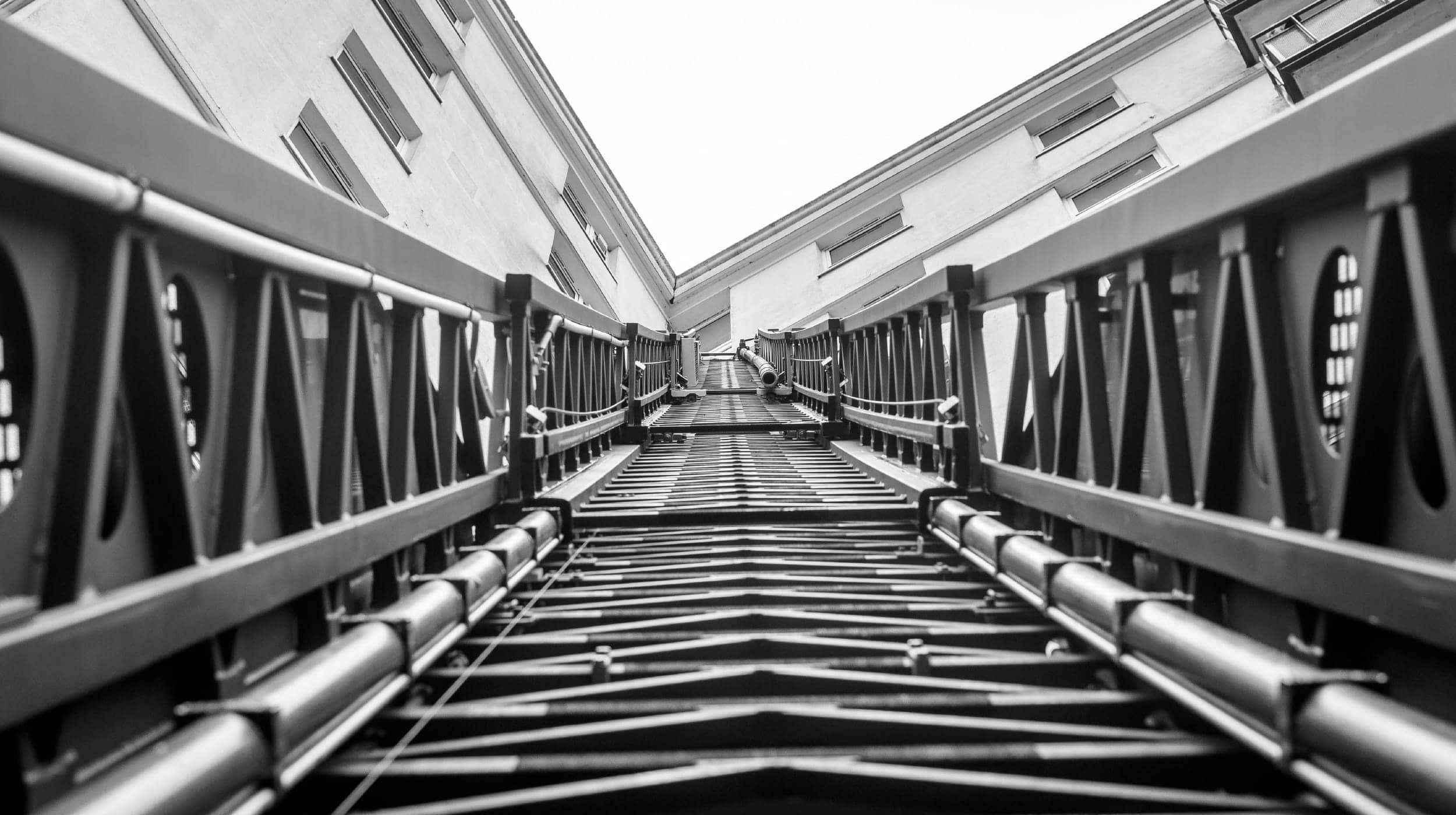
· Trained crews to operate two additional water towers with increased reach of 20 metres and developed a training programme for our highest ever aerial appliance, a 45-metre aerial ladder platform, due in service this year.
Adapt on-call response to increase emergency cover
Lancashire has 32 fire appliances crewed by on-call firefighters, who often have another job outside Lancashire Fire and Rescue Service. They live or work very close to the fire stations they operate from and respond to emergencies in their communities from home or work.
Delivered:
· Explored the potential for cluster stations, where on-call firefighters at stations in close proximity are available to respond to emergencies together increasing fire cover, which will be progressed in 2026-27.
· Evaluated our online on-call planning tool used to-date to identify optimum skill levels, prioritise training, monitor contractual performance, and inform recruitment needs. Work has continued to embed the tool and optimise use, with further evaluation to take place in 2026-27.
· Advertised our initiative to recruit on-call firefighters who, instead of working from home in their primary job, work from our stations and respond to emergencies during their working hours, resulting in three on-call firefighters operating under this model.
Invest in our fleet and equipment
The Service conducts extensive research and development to ensure we continue to invest in appliances and equipment with advanced technology and capabilities, which will lead to a more effective response to emergencies and increased firefighter safety.
Delivered:
· Procured new breathing apparatus to provide the most effective, modern equipment that gives the highest level of firefighter safety, due in service in 2026-27.
· Evaluated the trial of a firefighting robot, an innovative multi-functional crawler vehicle which can be deployed in places that are too dangerous for firefighters, which is now a permanent addition to our equipment.
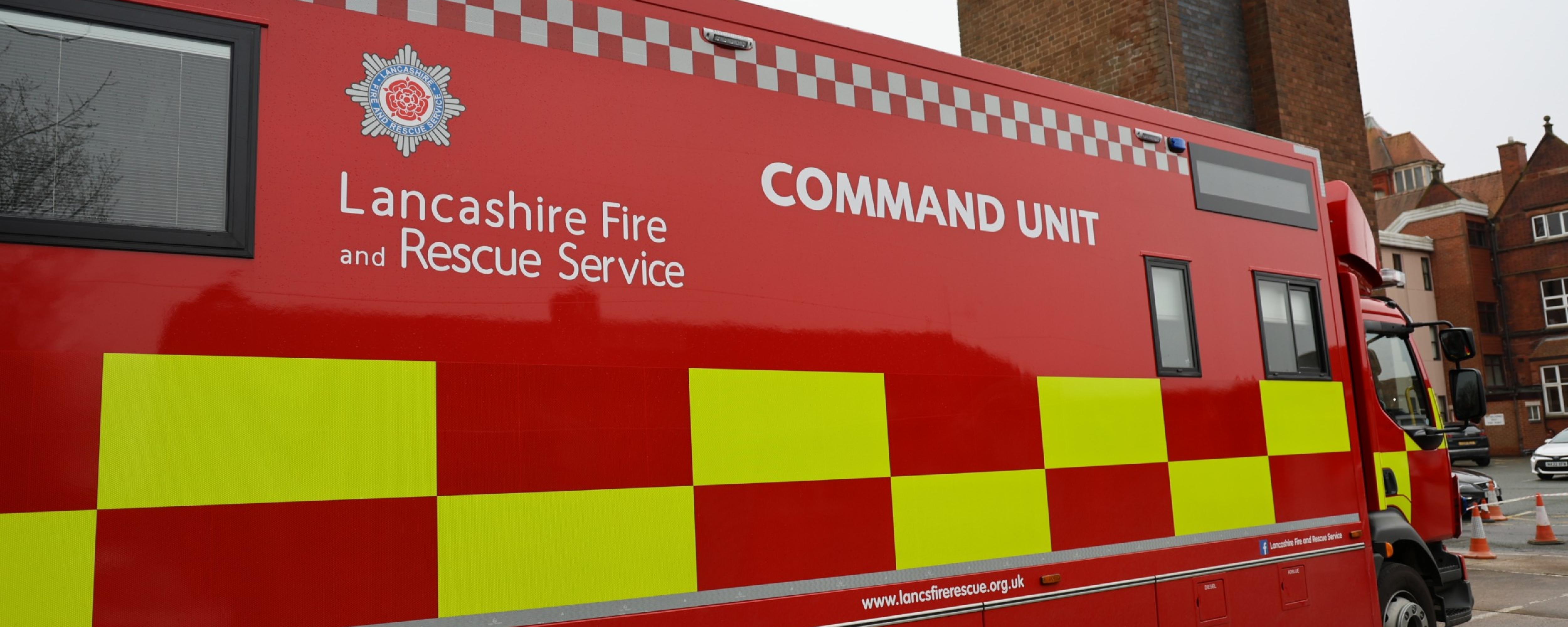
· Procured a new incident support unit to provide improved welfare provision at operational incidents, following extensive staff engagement and due in service in 2026-27.
· Supported the replacement of the mobilising system at North West Fire Control to ensure it is fit for the future, serves the needs of Lancashire’s communities, and provides value for money.
· Replaced drill towers at nine stations as part of a service-wide replacement programme.
· Rolled out new battery-powered rescue tools on fire engines, enhancing road traffic collision and technical rescue equipment.
· Strengthened hygiene provision on fire engines, equipping them with cleaning materials, wipes, gloves, and hygiene controls to support effective decontamination at incidents.
· Procured 11 new fire engines, due in service in 2026-27, which are designed to have full clean cabs, reducing exposure to contaminants by relocating breathing apparatus to rear lockers.
New water tower fire engines join our fleet
In June 2025, two new water towers, known as ‘Scorpions’ were introduced into the Service’s fleet.
A water tower is a fire engine with a powerful extendable arm that can spray high volumes of water onto a fire from above or directly into a building.
Alongside aerial ladder platforms they form part of our aerial capability for fighting fires at height and are strategically placed across the county to ensure we can respond to emergencies quickly and effectively.
The new appliances were purchased as part of our commitment to continue to innovate and invest in frontline services. They are based at St Anne's Fire Station and Lancaster Fire Station and increase aerial water coverage across the county.
Key facts on the new water towers:
· With a flow rate of 4,000 litres per minute, the water towers could fill a 25-metre swimming pool in two hours.
· The water leaves the nozzle at 10 bar pressure which causes it to flow at approximately 100 miles per hour.
· They are equipped with thermal imaging cameras which make finding hot spots and targeting fires much more effective.
· They have a lateral throw of 80 metres which is equivalent to approximately 10 fire engines parked bumper-to-bumper.
· They can reach up to 20 metres high which is the same height as a six-storey building.
· They are fully equipped fire engines and will still respond to all incident types.
Lancashire firefighters deployed to Mozambique as part of international rescue effort
Two firefighters from Lancashire were deployed to Mozambique to support international flood rescue operations following severe storms and widespread flooding in January 2026.
The deployment was part of the UK’s International Search and Rescue Team (UK ISAR) and followed weeks of extreme rainfall that caused extensive flooding, displaced hundreds of thousands of people and severely damaged infrastructure across large parts of the country.
UK ISAR is made up of specially trained firefighters and rescue specialists who volunteer their time from fire and rescue services across the country. It operates under the National Fire Chiefs Council’s National Resilience programme, ensuring the UK can respond rapidly to major international disasters when assistance is requested.
The team provides expert flood and water rescue capability, working alongside local authorities, international partners and humanitarian agencies to help save lives in some of the most challenging conditions.