(Opens external website) (File Download)
Skip to Content
Lancashire Fire & Rescue Logo
  • Search
  • Accessibility
  • Media
  • News & Events
  • Contact
    • Get in touch
    • Find us
    • Home fire safety check
    • Fire report request
  • Podcast
  • YouTube
  • LinkedIn
  • Twitter
  • Facebook
  • Instagram
  • Latest incidents
  • Safety
    • Home safety
    • Road Safety
    • Business Safety
    • Outdoor Safety
    • Be Prepared
    • Celebrations
    • British Sign Language
    • Other Languages
  • Education
    • Early Years
    • Primary
    • Secondary
    • SEND
    • FIRES
    • Biker Down
    • Presentations
  • Your Community
    • Your Local Station
    • King's Trust
    • Fire Cadets
  • About
    • What We Do
    • Our Team
    • Consultation
    • Funding
    • Publications
    • Procurement
    • Combined Fire Authority
    • Charter for Bereaved Families
    • Performance
    • Freedom of Information
    • Privacy Notices
    • Retired Members Association
  • Careers
  • Latest incidents
  • Safety
    • Home safety
    • Road Safety
    • Business Safety
    • Outdoor Safety
    • Be Prepared
    • Celebrations
    • British Sign Language
    • Other Languages
  • Education
    • Early Years
    • Primary
    • Secondary
    • SEND
    • FIRES
    • Biker Down
    • Presentations
  • Your Community
    • Your Local Station
    • King's Trust
    • Fire Cadets
  • About
    • What We Do
    • Our Team
    • Consultation
    • Funding
    • Publications
    • Procurement
    • Combined Fire Authority
    • Charter for Bereaved Families
    • Performance
    • Freedom of Information
    • Privacy Notices
    • Retired Members Association
  • Careers
  • Search
  • Accessibility
  • Media
  • News & Events
  • Contact
    • Get in touch
    • Find us
    • Home fire safety check
    • Fire report request
  • Podcast
  • YouTube
  • LinkedIn
  • Twitter
  • Facebook
  • Instagram
  • Section 1:Primary InformationJump to Section
  • Section 2:EfficiencyJump to Section
  • Section 3:IncomeJump to Section
  • Section 4:Efficiency NarrativeJump to Section
  • Section 5:ProductivityJump to Section
  • Section 6:Service Changes and AchievementsJump to Section

Section 1: Primary Information

Budget (£’000)

Revenue Expenditure

2024/25

2025/26

2026/27

2027/28

2028/29

Direct Employee

57,993

57,023

58,888

59,094

59,599

Indirect Employee

1,491

4,435

4,567

4,714

4,803

Premises

5,774

5,833

5,258

5,301

5,391

Transport

2,345

2,446

2,528

2,579

2,630

Supplies and Services

9,622

10,470

10,496

10,827

11,120

Capital Financing

2,600

2,601

3,604

4,746

5,679

Other

1,280

1,291

1,552

1,578

1,604

Total

81,105

84,099

86,893

88,839

90,826

Income

2024/25

2025/26

2026/27

2027/28

2028/29

Actual Received from Precept

39,396

42,254

45,064

48,036

51,075

Local Government Finance Settlement

35,760

35,257

35,461

34,768

33,924

Other Grants


Income Raised Locally

5,949

6,588

6,368

6,035

5,827

Total

81,105

84,099

86,893

88,839

90,826


Reserves Table (£’000)


2024/25

2025/26

2026/27

2027/28

2028/29

General Reserves

4,987

6,018

6,018

5,824

5,789

Earmarked Revenue Reserves

7,308

11,821

9,036

6,803

5,446

- of which MRP reserve


Earmarked Capital Reserves

16,950

14,106

8,365

7,453

7,680

Other Reserves


- of which revenue


- of which capital


Total

29,245

31,945

23,419

20,080

18,915

Section 2: Efficiency

Efficiency (£’000)

Actual 2024-25

Forecast 2025-26

Forecast 2026-27

Forecast 2027-28

Forecast 2028-29

Opening Revenue Expenditure Budget (Net)

 81,105

84,099

86,893

88,839

90,826

Less Total Direct Employee Costs

-57,993

-60,313

-61,519

-62,740

-64,004

Non Pay Budget

 23,112

23,786

25,374

26,099

26,822


£’000

24/25 Recurrent

24/25 Non- recurrent

25/26 Recurrent

25/26 Non- recurrent

26/27 Recurrent

26/27 Non- recurrent

27/28 Recurrent

27/28 Non- recurrent

28/29 Recurrent

28/29 Non- recurrent

Direct Employee (£’000): Reduction in Prevention/ Protection/Response Staff

 576

 -


2070


Direct Employee (£’000): Reduction in Support Staff

 10

 -

31


All Indirect Employee Costs


500


Premises: Utilities

133


Premises: Rent/Rates


Premises: Other Premises Costs

55


Premises: Shared Premises


Transport: Fleet

41


Transport: Fuel


Transport: Other Transport Costs


Supplies and Services: National Procurement Savings


26


Supplies and Services: Local Procurement Savings


26


Supplies and Services: Other Technology Improvements

9


Supplies and Services: Decreased Usage


38

27


Capital Financing: Revenue Expenditure Charged to Capital


220


1051

586

817

38

200

6

200

Capital Financing: Net Borrowing Costs


Total Savings

824

272

569

1,078

2,656

817

38

200

6

200

Total Savings (excluding direct employee savings)

238

272

538

1,078

586

817

38

200

6

200

Actual 2024-25

Forecast 2025-26

Forecast 2026-27

Forecast 2027-28

Forecast 2028-29

Total Savings (excluding direct employee savings)

510

1,616

1,403

238

206

Efficiency savings as a percentage of non-payroll budgets

2.21%

6.79%

5.53%

0.91%

0.77%

Section 3: Income

£’000

24/25 Recurrent

24/25 Non- recurrent

25/26 Recurrent

25/26 Non- recurrent

26/27 Recurrent

26/27 Non- recurrent

27/28 Recurrent

27/28 Non- recurrent

28/29 Recurrent

28/29 Non- recurrent

Income generated from shared premises


37


Income generated from trading operations


Income generated from shared premises


Income generated from interest on investments


108


213


Income generated from other sources


Total


108


250


Section 4: Efficiency Narrative

Direct Employee

£31,234 recurring cashable efficiency saving removing a vacant post

This saving in the Corporate Communications Department creates a cashable efficiency of £31,234 in 2025-26 and £31,234 in 2026-27 (total £62,468) by redistributing work and utilising skills within the department instead of recruiting to a new post. An additional £6,000 has been saved through saved training fees for a Level 4 apprenticeship.

Indirect Employee

£500,000 recurring cashable efficiency saving through effective deployment of resources and effective management of overtime.

In July 2025, Dynamic Resource Management (DRM) was introduced which was an additional option to manage staffing and resources without the need to utilise overtime. Where no detachments (spare staff) are available, second pumps at wholetime two pump stations may be taken off the run and the crew redistributed prior to going to overtime. A recurring cashable efficiency saving of £500,000 was reduced from the budget from 2025/26 by using DRM for the effective management of overtime, in 2025/26 £627,789 was delivered.

 Investment in a dynamic cover tool (DCT) identifies where emergency cover is needed based on real-time appliance locations and current demand, rather than the previous static model. It is used to monitor fire cover and plan relief strategies and cover moves. It has improved emergency cover and enabled the Service to make cashable efficiency savings. The DCT was fully embedded in April 2025, comparisons from 2024/25 to 2025/26, standby demand reduced markedly, delivering clear efficiency and cost benefits. On Call standby moves fell from 979 to 653 (down 326 moves representing a 33% reduction), with the associated estimated cost reducing from £127,270 to £84,890 (a saving of £42,380). This improvement is mirrored across all standby moves, which decreased from 1,613 to 1,026 (down 587 moves representing a reduction of 36%), indicating a broad reduction in standby activity over the same period. Not only does this yield financial efficiencies, but a reduction in standby moves also results in less disruption to all crews allowing wholetime crews to undertake activities with less interruption or indeed reducing the need for recovery periods.

 As part of digitising the fireground workstream, a digital relief strategy was developed to manage largescale protracted incidents. The digital relief strategy has been used successfully at multiple incidents with positive feedback received about the reduction in disruption to crews. It has also delivered a number of efficiencies:

  • Reduced disruption at change of shift by planning reliefs around handover times.

  • Reduced overtime by limiting the need for crews to return to their home stations during relief cycles.

  • Reduced travel time by prioritising local resources at key points

  • Better resource optimisation by varying mobilisation distance through the day.

  • Improved coordination via sharing the plan with crews, giving advanced notice of deployment.

More consistent decision-making through a repeatable, time-based allocation approach.

Supplies and Services

Decreased Usage: £19,000 recurring cashable efficiency saving through changing the type of protective suits carried on operational appliances used when dealing with chemicals

The removal of Gas Tight Suits (GTS) suits from operational appliances and their replacement with single‑use suits delivers a net recurring cashable efficiency saving of £19,000, taking into account both avoided costs and the cost of the alternative provision. In addition, the removal of reusable GTS suits eliminates ongoing laundering, inspection, repair and storage requirements.

 Decreased Usage: £7,000 recurring cashable efficiency saving by reducing the number of re‑robe suits carried on appliances

Re‑robe suits are protective over‑suits that can be used to help someone change out of contaminated clothing and stay covered after an incident. By carrying fewer re‑robe suits on appliances, the Service avoids some future replacement costs and reduces ongoing servicing needs. It also reduces the time spent on inspection, cleaning and handling. The combined recurring cashable efficiency saving is estimated at £7,000 per annum.

 Decreased Usage: £500 recurring cashable efficiency saving through the removal of a range of small tools from all appliances

The removal of a range of small tools from frontline appliances delivers a recurring cashable efficiency saving of approximately £500 per annum. This saving arises from reduced expenditure on consumables, replacement items and associated stock management within equipment and stores budgets.

 Decreased Usage: £2,300 recurring cashable efficiency saving by removing low‑pressure air bags from Water Rescue Team (WRT) appliances

Low‑pressure air bags are inflatable lifting cushions that can be placed under an object to raise it slightly (for example to create space to free a trapped person). Following an approved change to the equipment carried on Water Rescue Team (WRT) appliances, these air bags have been removed. This avoids future replacement and maintenance costs across the equipment lifecycle, giving an estimated saving of around £23,000 over 10 years (equivalent to c. £2,300 per year). The change also removes the need for around two hours of servicing per unit each year, releasing workshop time and reducing fleet servicing pressure (this time saving is not separately monetised).

 £3,800 recurring cashable efficiency saving on printed materials

Savings have been achieved by switching to digital only versions of corporate documents including the Annual Service Plan and associated material and internal newsletters.

 £644 recurring cashable efficiency saving through utilisation of Microsoft applications

Switching from an external software platform to Microsoft applications for email communications has realised a recurring saving.

 £3,688 recurring cashable efficiency saving plus small one‑off cashable savings and non‑cashable productivity benefits through using Artificial Intelligence (AI) tools in Corporate Communications:

The Service uses AI tools to reduce external software costs and streamline campaign production. Using an AI tool for online listening and analysis (e.g., collating and summarising online commentary to identify emerging themes) replaces a paid platform and delivers a recurring cashable saving of £3,111 per annum. In addition, using AI tools to produce some campaign assets can avoid one‑off supplier costs (e.g., £384 for an AI voiceover rather than a media company, and £193 for AI‑generated imagery rather than commissioning a photographer/photoshoot in 2025/26). AI tools also support non‑cashable productivity improvements in graphic design and video editing (for example, saving around 10 minutes per video edit and 20 minutes per image edit), releasing staff time for other communications activity.

 Decreased Usage: £27,450 one‑off cashable efficiency saving by removing Makita hammer drills from appliances

Makita hammer drills are portable power tools used for drilling into hard materials (e.g., masonry) during operational tasks. Following an approved change to the equipment carried on appliances, these drills have been removed. This delivers a one‑off cashable efficiency saving of £27,450 through avoided future replacement and procurement costs. The change also reduces ongoing servicing, inspection and associated stores activity, which will further reduce fleet and equipment support.

Capital Financing

£164,000 one‑off cashable efficiency saving by removing station reserve Breathing Apparatus (BA) sets

Following a review of the number of station reserve BA sets and spare BA Cylinders on appliances, the Service approved a reduction where it is safe to do so. This change is based on operational risk assessment and does not reduce the Service’s ability to deploy BA safely when required: frontline BA provision is maintained and resilience is supported through existing arrangements for replacement/repair and access to reserve stock when needed. The change reduces planned capital replacement costs by £164,000 (one‑off). In addition, carrying fewer reserve sets reduces ongoing servicing, testing and rotation activity, which will deliver further recurring cashable reductions in fleet and equipment servicing costs.

 £60,000 one off cashable efficiency saving through utilising an end-of-life vehicle

An end-of-life recovery van has been utilised across the fleet estate and therefore eliminated the need to purchase a large new van, resulting in a one-off saving of £60,000.

Future Efficiencies

Direct Employee: £1,800,000 recurring cashable efficiency saving from 2026/27 through reducing wholetime crewing levels whilst maintaining response targets

In 2026/27 £1,800,000 of cashable efficiency savings will be realised from optimising crewing changes; reducing wholetime crewing levels from 13 to 12 (on 2 pump Wholetime, Flexible Day Crewed and Day Crewing Plus stations (excluding USAR units) whilst maintaining our emergency response performance across the county. The efficiency improvement will align Lancashire with sector‑equivalent crewing models.

 Direct Employee: Review of Protection Service Capacity and Regulatory Function

The Service will undertake a review of the Protection operating model to ensure effective delivery of regulatory functions whilst enhancing affordability and resilience. A detailed proposal will be developed setting out the future delivery model subject to approval, staff and trade union consultation will commence, with Members briefed at an early stage.

 Direct Employee: Review of Prevention Service and Area‑Based Operating Model

The Service will progress a review of the Prevention operating model designed to sustain effective risk management and engagement across the county while improving affordability and resilience. A detailed proposal will be developed setting out an alternative three‑area and four‑area structures, reflecting potential Local Government Reorganisation outcomes and providing flexibility in implementation. Subject to approval, staff and trade union consultation will commence, with Members briefed at an early stage.

 Direct Employee: £138,000 recurring cashable efficiency savings through deletion of posts in the On‑Call Support Officer (OCSO) establishment while strengthening development oversight

As part of the review of the On‑Call Support Officer (OCSO) function, the Service has identified a recurring revenue saving achievable through a change to the OCSO structure that reduces the overall establishment while strengthening development oversight. The revised “stabilise and evolve” model includes five Crew Manager OCSO posts (rather than seven). On this basis, approximately £138,000 per annum will be saved compared to the current model. The saving contributes to the wider savings programme while maintaining service resilience through a refocused model emphasising firefighter development, competence progression and on‑call stability.

 Direct Employee: £66,000 recurring cashable efficiency savings from a review of Incident Intelligence Officer (IIO) roles while maintaining required performance and professional oversight

IIOs provide specialist support by gathering, assessing and sharing incident intelligence, supporting risk information and contributing to operational learning and assurance. A review of the IIO function identified opportunities to streamline the role profile and deployment model, reduce duplication and align capacity more closely to demand, while retaining the professional oversight required to maintain service performance. The resulting changes reduce the ongoing cost of the establishment and deliver a recurring cashable efficiency saving of £66,000 per annum. The revised arrangements retain access to incident intelligence expertise and maintain the required governance and quality assurance so there is no detriment to operational decision-making or statutory/assurance requirements.

 Reduced Capital Expenditure funded by Revenue: £500,000 one‑off cashable efficiency saving from replacing alerter masts and adopting an alternative paging‑based solution

From 2026/27 the Service will deliver a one‑off cashable efficiency saving of £500,000 by changing the way stations are alerted. Alerter masts are fixed installations (typically an external mast/antenna and associated power and cabling) used to transmit alerting signals to a station. Following a review of requirements and available technology, the Service will move away from the planned installation of new alerter masts and instead adopt an alternative paging‑based solution, using pagers (small, portable alerting devices carried by staff) to receive alert messages. This approach removes the need for mast construction, power supply and wider infrastructure works, avoiding a significant item of capital expenditure that would otherwise have been funded from revenue.

 Reduced Capital Expenditure funded by Revenue: £32,000 recurring cashable efficiency saving from a review of light vehicles

Light vehicles are the Service’s non-emergency cars and small vans used for day-to-day travel and support activity (for example visits, inspections, training support and moving small items). During 2026/27 the Service will complete a Light Vehicle Review to confirm who needs access to a light vehicle and why, set consistent criteria across departments, and quantify the full cost of providing and running these vehicles. The review covers 132 vehicles and will consider practical options such as pooling and booking, using the right size/type of vehicle for the task, and moving to hybrid/electric vehicles where operationally suitable (subject to estate charging infrastructure). Better utilisation data will be developed to replace reliance on manual logbooks. Based on financial modelling and a prudent assumption that the fleet can be reduced by 10% with no detriment to operational response and no cost displacement, the estimated saving potential is £31,724 (c. £32,000) per year. This will be confirmed and delivered once the review is completed and approved.

 Reduced Capital Expenditure funded by Revenue: £490,000 recurring cashable saving for fleet replacement through extending vehicle asset lives

During 2025/26 the Service completed a review of fleet asset lives and replacement assumptions to better reflect utilisation, condition and whole‑life value, and to ensure the capital programme remains affordable while maintaining operational resilience (including updated assumptions such as a longer service life for newer appliances). The outcome has been reflected in the updated 10‑year fleet replacement programme and will be embedded through ongoing updates to the Fleet Asset Management Plan. Over a 10‑year capital programme, the total vehicles requirement reduced by c£6m over the period. Extending vehicle lives can increase exposure to in‑life costs (e.g. maintenance and refurbishment), therefore a prudent 15% allowance has been applied to reflect potential additional in‑service costs pending confirmation through budget monitoring and condition/performance data; on this basis the net annual saving is reported £490,000 per annum reduced capital requirement.

 Electric Vehicles: Up to £40,000 recurring cashable efficiency savings from transitioning from petrol to electric vehicles (EVs)

Analysis undertaken during 2025/26 indicates that full electric vehicles deliver average cashable revenue savings of around £1,100 per vehicle per annum compared with petrol equivalents, arising from lower fuel costs, reduced servicing and maintenance requirements, and zero Vehicle Excise Duty. Once the officer fleet is fully transitioned, this equates to an ongoing cashable saving of approximately £40,000–£45,000 per annum, based on current mileage and energy price assumptions. The transition is expected to be delivered over a period of up to seven years, aligned to normal vehicle replacement cycles, meaning that cashable savings will increase progressively each year as petrol vehicles are replaced, reaching a steady‑state position once the transition is complete.

 Reduced Capital Expenditure funded by Revenue: One off cashable efficiency saving from replacing Drill Towers

In 2026/27 the Service will undertake a strategic review of Drill Towers to identify those requiring replacement and to move to a shared drill tower model where suitable stations can share infrastructure and thus avoid replacement costs. This hub‑and‑spoke approach reduces the number of individual towers and associated site works required, improves resilience through planned coverage and asset redundancy, and supports collaboration by enabling consistent training and operational alerting arrangements across locations. The resulting reduction in replacement volumes, maintenance contracts and lifecycle renewals will deliver a recurring cashable efficiency saving through lower annual revenue spend and reduced future capital requirements. The actual saving will be quantified on completion of the review.

 ICT Supplies and Services: £40,000 recurring cashable efficiency saving from replacing its Wide Area Network (WAN) with a modern, more flexible connectivity solution

The Service is replacing its Wide Area Network (WAN) with a modern, more flexible connectivity solution delivered through a collaborative procurement route, enabling better value for money through aggregated public‑sector buying power. Based on prior Service estimates of the financial benefit from collaborative WAN procurement, the change is expected to deliver a net recurring cashable saving of circa £40,000 per annum once the solution is fully implemented and operating in steady state. Final savings will be confirmed as part of contract finalisation and will depend on the connectivity model adopted for different station types, including on‑call only locations.

 ICT Supplies and Services: £50,000 recurring cashable efficiency saving from utilising existing Service Desk system and removing the need to procure a standalone Computer‑Aided Facilities Management (CAFM) system

Work has been undertaken to assess whether the Service’s existing Service Desk system, which includes asset management functionality, can be expanded and used as part of an Enterprise Service Management model. Following a number of demonstrations and evaluation activity, this solution has been agreed as suitable, removing the need to procure a standalone Computer‑Aided Facilities Management (CAFM) system. As a result, the Service has avoided the procurement of a dedicated CAFM solution, delivering an estimated cashable revenue saving of approximately £50,000 per annum, while also improving integration and consistency across asset and service management processes.

 Local Procurement Savings: £242,586 non-cashable procurement savings from 2026/27

Procurement initiatives in 2025/26 delivered non-cashable efficiency savings from 2026/27 to 2029/30 totalling £242,586 across a range of contracts. Procurement efficiency savings of c£1m are reported separately to the Government.

Collaboration

Collaboration continues to deliver clear financial and operational value for the Service by reducing duplication, sharing assets and overheads, and enabling a “right responder” approach that improves outcomes without proportionate increases in cost. In 2025/26, the Service sustained and built upon established collaborations that deliver either direct savings, cost avoidance or income, while strengthening resilience. These include the North West Fire Control (NWFC) collaboration (shared control arrangements across multiple fire authorities) which realises annual savings of more than £1m p.a. and continues to deliver system-based improvements that support more efficient mobilisation and incident management.

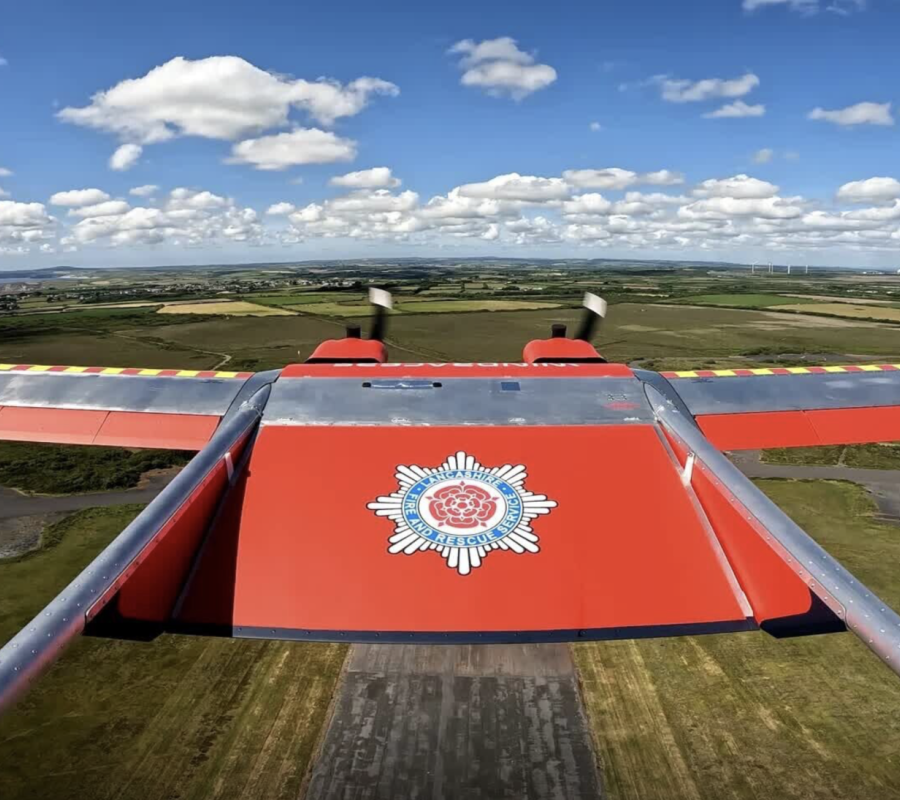
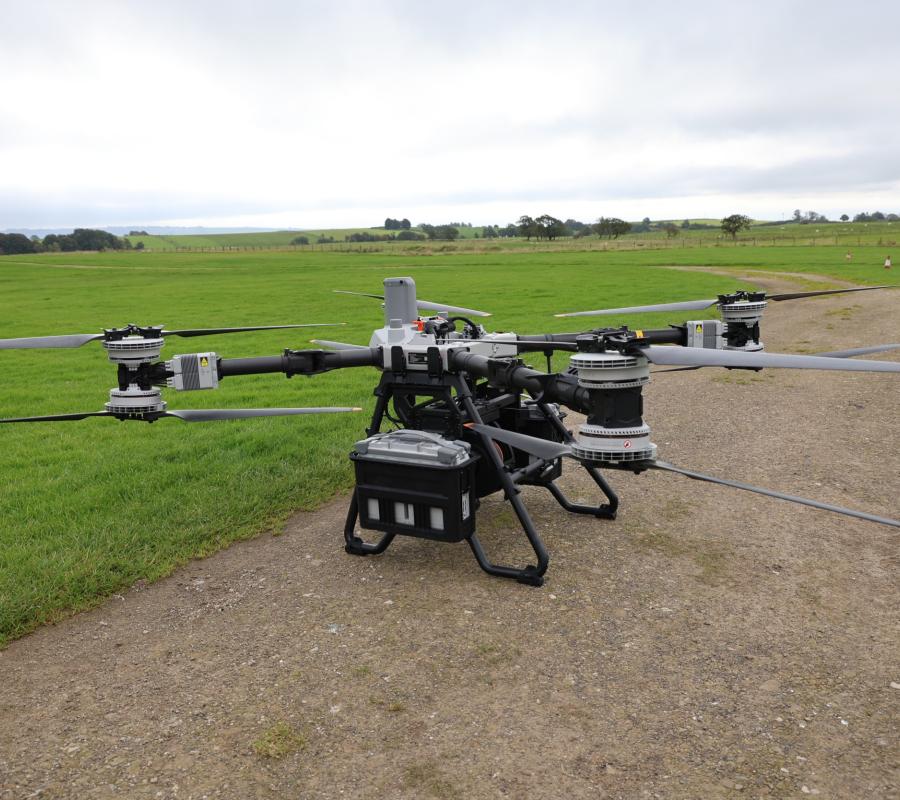
 The Service also benefits financially from shared premises and co-location arrangements that make better use of public assets and reduce the need for partners to invest in separate facilities; for example, combined fire and ambulance stations generate c.£50,000 p.a. rental income and help avoid wider public sector capital costs; the Service has this arrangement in place at Lancaster. Beyond direct financial benefit, collaboration improves operational productivity and service outcomes through joint working across Lancashire’s blue light partners: e.g., co-responding arrangements and specialist support capabilities (including drones/Remote Operated Vehicles (ROV) deployments and shared training initiatives) help to resolve incidents more quickly, reduce multi-agency time on scene, and improve the quality of outcomes for communities.

 Overall, collaboration in 2025/26 has delivered a combined benefit of cashable savings/income, public sector cost avoidance, and operational efficiency, while improving resilience and maintaining effective county-wide response arrangements.

Assessment of Efficiencies

In 2025/26 the Service achieved efficiencies through a combination of cashable budget reductions, and operational changes that reduce the need for premium-cost activity (e.g., overtime/standby movements) while maintaining service delivery. The most material evidenced saving in-year was delivered through improved resource deployment and overtime management: Dynamic Resource Management (DRM) was introduced in July 2025 to provide an additional staffing option that reduces reliance on overtime, and a recurrent saving of £500,000 was removed from the budget from 2025/26; in-year delivery was £627,789.

 In addition, the embedded use of the Dynamic Cover Tool (DCT) supports more efficient standby arrangements and reduces disruption to crews. The plan evidences a marked reduction in standby demand when comparing 2024/25 to 2025/26, including on-call standby moves reducing from 979 to 653 (a 33% reduction) with associated estimated cost reducing from £127,270 to £84,890 (saving £42,380). The reduction is mirrored across all standby moves, decreasing from 1,613 to 1,026 (a 36% reduction), supporting both financial efficiency and reduced operational disruption (and therefore less need for recovery periods).

 Further efficiencies in 2025/26 include reduced lifecycle and support costs (e.g., rationalisation of PPE/specialist equipment and procurement requirements) and corporate changes that reduce avoidable spend (e.g., switching to digital-only publication of some corporate materials, and using existing Microsoft tools where appropriate). In line with the 2026/27 guidance, it is also recognised that Direct Employee savings are no longer included in the overall efficiency calculation, but they may still exist as genuine savings within the wider financial strategy.

 Overall, £1.6m (6.79%) of non-pay efficiencies were delivered in 2025/26, with a significant proportion of these savings recurring and therefore reducing ongoing budget pressure in future years. The Service has clear, costed plans to deliver further non-pay efficiencies and pay-related savings over 2026/27 onwards, with delivery gated through operational assurance and monitoring to ensure that changes do not create additional risk or detriment to emergency response, prevention, protection or wider service performance.


Section 5: Productivity

Collaboration

In 2025/26 and onwards, the Service’s collaboration activity is specifically directed towards achieving the key priorities outlined in our Community Risk Management Plan (CRMP). These priorities include: reducing risk to life and property, improving community safety, enhancing operational preparedness, ensuring effective response to emergencies, and strengthening resilience across Lancashire. To fulfil these priorities, we are leveraging shared systems, establishing co-response arrangements with partner agencies, and developing specialist capabilities that minimise duplication and enable faster, more effective incident resolution. A key example is the continuing development of collaboration through North West Fire Control (NWFC) and associated system improvements. During 2025/26 the Service progressed control-room capability and mobilising resilience improvements, including the collaborative introduction/embedding of dynamic cover software within NWFC, which supports more efficient resource disposition and reduces reliance on traditional static/notional cover arrangements as the approach embeds. This improves productivity by enabling better real-time decision-making and reducing unnecessary disruption to crews, thereby releasing time for prevention, protection and preparedness activity.

 Collaboration also improves productivity through “right resource/right place” operating models with partners. For example, the Service’s collaborative activity with blue light partners (including specialist support such as drone and canine capability) improves public value by achieving faster, more targeted resolutions; reducing total multi-agency time commitment at incidents and enabling the wider system to maintain availability for other demand. Where collaboration includes shared premises or shared assets, the productivity mechanism is both financial and operational: shared accommodation/overheads reduce duplication, while co-location improves multi-agency coordination and responsiveness.

 Overall, these collaboration initiatives (active in 2025/26 and continuing into 2026/27 onwards) demonstrate productivity by improving mobilisation and deployment decisions, reducing disruption and non-productive movements, and enabling improved outcomes and faster resolution through integrated partner working.

Asset Management and IT Investment

£33,000 Productivity Gains by moving On‑Call Assessments to a Centralised Assessment Model

Centralising on‑call development assessments (assessing groups of four at our Learning and Development Centre (LDC) or a neighbouring station rather than individually at home stations) reduces the need to bring in additional competent crew to form a crew for local assessments. An estimated cost of approximately £3,300 per four firefighters assessed, with scalability to deliver savings exceeding £33,000 where circa 40 on‑call firefighters are assessed in a single month. The approach uses existing facilities and assessor teams and can be coordinated through established scheduling arrangements.

 £175,000 Productivity Gains by digitising the incident command process through mobile incident command systems

Enabling mobile data / incident command support system on appliance iPads and rear‑mounted Mobile Data Terminals (MDT) allows incident command support functions to be completed digitally at the scene, replacing paper command packs and eliminating duplication and post‑incident re‑keying. This is estimated to save approximately 30 minutes of administrative time per incident, equating to an estimated £175,000 per annum productivity gains, achieved through improved command support and redeployment of existing capacity.

 £8,000 Productivity Gains by digitalising operational command competence assessment and assurance

Digitising the Incident Command Assessment Form enables real‑time electronic completion and immediate inclusion in personnel competence records. This removes reliance on paper forms and repeated follow‑up between assessors and candidates, improving timeliness, data quality and operational assurance. This is estimated to release approximately 200 assessor hours per annum, this equates to an indicative £8,000 per annum productivity gains, representing capacity redeployed to assurance and training activity rather than a direct financial saving.

 £15,000 Productivity Gains by digitalising workforce fitness assessment and assurance processes

Digitisation of fitness assessment forms is planned for 2026/27, it removes a paper‑heavy process involving printing, posting, scanning and manual data handling. Assessments can be digitally submitted at the point of completion, with data flowing directly to relevant systems. This is estimated to release approximately 500 hours of Physical Training Instructors and administrative time per annum, this equates to an indicative £15,000 per annum productivity gain, representing capacity redeployed to fitness oversight and operational support rather than a direct financial saving.

 Productivity Gains from the investment in two Water Tower dual‑purpose fire appliances

During 2025/26 the Service completed a significant capital investment in two Water Tower dual‑purpose fire appliances (high‑reach, high‑volume water delivery with a 20‑metre boom), strategically located at St Anne’s and Lancaster to strengthen county‑wide aerial water delivery and provide frontline pumping capability. The efficiency mechanism is that Water Towers can deliver sustained elevated water attack earlier and more effectively at protracted incidents, which can reduce the number of appliances required and the time crews are committed on scene, improving overall appliance availability for other calls. In addition, the Water Towers deliver important qualitative benefits, including enhanced firefighter safety through greater stand‑off distance, improved resilience when Aerial Ladder Platforms (ALP) are unavailable, faster deployment than ALPs in some scenarios, strengthened geographic coverage and operational flexibility, and reduced reliance on neighbouring services for high‑reach support; it also supports workforce upskilling through driver/operator training (including on‑call and dual‑contract staff) and contributes to public confidence through visible enhanced capability.

 £12,000 productivity gains from digitisation of the on scene incident reporting form

Moving the incident reporting form from paper to a simple electronic version that can be completed at the scene reduces repeat work and avoids missing information. It also means the information can be sent straight to the staff who review and investigate incidents, without needing follow-up calls or re-entering details later. This is estimated to release around 330 hours per year of operational and investigation time, which can be redeployed to assurance and prevention activity. Using a conservative hourly rate, this equates to an indicative £12,000 per year productivity gain, reflecting capacity released rather than a direct reduction in spend.

 £9,000 productivity gains from digitisation of Learning and Development Centre (LDC) facilities bookings

Introducing an online booking system for the Learning and Development Centre’s training facilities replaces emails, spreadsheets and manual coordination with one simple process. This reduces the time staff spend arranging rooms and equipment, and makes it easier to see what is booked and when. This is estimated to release around 300 hours of administrative time each year, which can be redeployed to higher‑value training support. Using a conservative hourly rate, this equates to an indicative £9,000 per year productivity gain, reflecting capacity released rather than a direct reduction in spend.

Resourcing

Training staff in new skills

The following initiatives demonstrate how the Service has provided Productivity Gains increased workforce capability and flexibility during 2025/26, enabling staff to undertake a wider range of outcome‑based activities and release capacity for prevention, protection and response without increasing overall inputs.

· Local incident command workshops: Incident command workshops are now held locally for on‑call crews, reducing travel and time commitments. Between April 2024 and February 2025, 14 sessions were delivered at on‑call stations and supported 59 staff. Based on conservative travel time assumptions, this releases approximately 148 hours per annum (c. £4,400 productivity gain), which is being redirected to operational competence and assurance activity.

· Revised incident command training model: The incident command training model has been revised so participants do not need to complete all learning elements before attending the course, improving flexibility and enabling earlier operational deployment. Qualification throughput has improved (27 staff achieving Officer in Charge since April 2024 vs 20 pre‑change, a 35% increase) and on‑call appliance availability has improved. Using conservative assumptions on additional operational availability/capacity released, this equates to c. 960 hours per annum (c. £28,800 productivity gain).

· BA to BA Team Leader faster route (On‑Call): The timeframe for achieving BA and BA Team Leader skills has been shortened for on‑call firefighters, supported by increased capacity on the wholetime apprentice BA course, enabling quicker progression and increased resilience of critical skills. This strengthens operational capability and reduces constraints on on‑call crewing. Conservatively valued, this releases c. 900 hours per annum of capability/availability benefit (c. £27.0k productivity gain).

· Learning Management System (LMS) evidence improvements (reduced bureaucracy): The Learning Management System has improved eLearning, skills maintenance and development programme administration, including reducing required competency elements and enabling evidence submission in multiple formats. This reduces bureaucracy for staff and managers while strengthening assurance through better quality records. Based on workforce scale and conservative admin-time savings assumptions, this releases c. 800 hours per annum (c. £24,000 productivity gain).

· Initial Emergency Care Training (remote day 1 + hub model): The first day of the four‑day Initial Emergency Care course has been converted to a remote session, and delivery at on‑call stations via a hub model is being trialled to maintain standards while reducing travel time and associated costs. This reduces abstraction and travel for on‑call staff and improves accessibility. Conservatively valued, this releases c. 144 hours per annum (c. £4,300 productivity gains).

· Level 3 Leadership & Management via apprenticeships/NFCC licences: The Service has utilised apprenticeship levy funding and licence arrangements to deliver level 3 leadership and management development through workplace delivery routes, reducing reliance on externally commissioned face‑to‑face trainer delivery. This approach reduces external trainer fee pressures and the associated travel/abstraction burden. On a conservative “cost‑avoidance” basis this is estimated at c. £36,000 per annum.

· Prevention training eLearning (in progress): The Service will further expand digital learning approaches within prevention training where appropriate, reducing the requirement for face‑to‑face sessions and associated abstraction/travel. This supports consistent training delivery and releases trainer and learner time to front‑line prevention outputs. Conservatively valued, this equates to c. 750 hours per annum (c. £22,500 productivity gains), to be confirmed through the tracker as implementation progresses.

· Apprenticeships funding Green Book development: The Service is increasing use of apprenticeship routes to fund development for staff on Green Book terms and conditions, reducing reliance on directly purchased external training while strengthening corporate capability. This supports resilience, succession planning and reduces fee pressures within training budgets. Conservatively valued as cost‑avoidance, this is estimated at £15,000 per annum.


£13,500 Productivity Gains from rationalisation of operational learning modules

During 2025/26, the Service undertook a comprehensive review of eLMS operational learning modules for officer roles. This will result in a significant reduction in mandatory content, with non-essential and non-role‑specific material removed to create a more targeted and relevant learning offer. Following the review, mandatory modules for Principal Officers and Area Managers were reduced from 45 to 10, while Group Managers saw five modules removed and Station Managers had one module eliminated. Each module is approximately one hour in duration. Across the affected groups (3 Principal Officers, 4 Area Managers, 10 Group Managers and 25 Station Managers), this rationalisation is estimated to release in the region of 255 officer hours annually with a total value estimated saving of £13,500 p.a., enabling redeployment of time to core operational priorities and other role‑related activities.

 Various NWFC Productivity Gains improvements (control-room capability, mobilising resilience and more efficient deployment of resources)
During 2025/26 the Service has continued to progress system improvements within North West Fire Control (NWFC) to support more effective and efficient mobilisation and incident management, including the introduction and embedding of dynamic cover software in NWFC and associated monitoring and review to optimise the deployment of resources across the county. This work supports productivity by improving real‑time decision‑making on the disposition of appliances, reducing unnecessary disruption to business activities and enabling a move away from traditional static/notional cover arrangements as the approach embeds.

Income Generation

£213,000 one‑off additional income through active investment strategy

The Authority has continued to apply an active investment strategy by placing a proportion of cash balances into fixed term investments (primarily with other local authorities) to secure higher rates than are available via the overnight DMADF/call account. On the total investment balance this represents an outperformance of 0.45%, equivalent to approximately £213,000 of additional annualised interest income versus a passive benchmark approach.

 Additional income through charging for use of LFRS assets by other agencies (e.g. drones)

During 2024/25 the Service introduced a charging model for the use of LFRS assets and specialist capabilities in support of other agencies where the activity falls outside statutory fire and rescue duties. This includes, for example, the use of Service‑owned drones and other specialist resources to support policing, local authorities and partner organisations.

The charging model ensures that where LFRS expertise and equipment are deployed to deliver clear operational or investigative benefits for other agencies, the associated costs are recovered, rather than being subsidised by core fire and rescue funding.

 £11,561 additional income through charging for out‑of‑county asset deployment

The Service implemented a formal charging approach for the deployment of specialist assets outside of Lancashire, in line with National Fire Chiefs Council (NFCC) guidance on charging for mutual assistance. This ensures that when LFRS resources are used to support other fire and rescue services or partner agencies beyond the county boundary, the costs associated with staff time, equipment use and operational support are appropriately recovered.


The approach represents a cashable efficiency by ensuring that external operational demand does not place unfunded pressure on the Service’s revenue budget and that costs are borne by the benefiting organisation. The resulting income is expected to be recurrent, reflecting the ongoing nature of cross‑border and mutual aid activity, and is treated as a prudent, conservative forecast rather than a guaranteed income stream.

 £25,000 additional income through charging for Control of Major Accident Hazards (COMAH) training and exercises

During 2026/27, the Service implemented a charging model for the delivery of COMAH-related training and exercise activities to site operators. COMAH sites, regulated under the Control of Major Accident Hazards Regulations 2015, are obliged to develop and regularly test emergency plans, often in collaboration with emergency services. Whilst fire service involvement supports robust emergency planning, there is no regulatory requirement for this to be provided free of charge. The charging framework ensures that costs incurred for specialist training, planning support, and exercise facilitation are recovered from operators, preventing these expenses from being absorbed by core fire and rescue budgets. For 2026/27, estimated cost recovery is in the region of £20,000 to £25,000. This initiative is designed to ensure cost recovery and avoid subsidising external activities, rather than to generate surplus income.

Outcome-based Activities

Roll‑out of NFCC sector productivity app/products (workforce activity measurement and productivity evidence)
During 2026/27 the Service plans to roll out the new sector productivity app/products being developed by the NFCC, to strengthen how we capture and evidence day‑to‑day firefighter activity and productivity. At present, the Service has a daily work routine framework and uses KPIs/local performance indicators, but it does not capture specific daily workforce activity; the NFCC app/products are intended to address this gap by supporting improved capture and understanding of daily activity, helping demonstrate how productivity is increasing while using the same level of inputs.

Workforce Capacity

The Service’s approach to workforce capacity measurement and utilisation combines operational systems and performance outputs rather than a single time-and-motion dataset. Capacity and utilisation are evidenced through operational activity and availability indicators, performance dashboards and KPIs used at station and Service levels, and operational systems that reduce non-productive abstraction/disruption (e.g., dynamic cover arrangements). The Service has a daily work routine framework for wholetime crews and monitors outputs and outcomes through established KPIs and local performance indicators (including prevention/protection outputs and training/competence completion).

 The Service recognises that, at present, it does not capture specific daily workforce activity in a single consolidated dataset and therefore uses performance and operational output measures as the primary evidence of capacity use and productivity. To strengthen robustness and standardisation, the Service plans to roll out the NFCC sector productivity app/products to improve the capture and evidencing of day-to-day firefighter activity, closing the current gap and enabling stronger demonstration of how productivity is increasing while using the same level of inputs. This aligns with the guidance expectation that services work towards more consistent monitoring and reporting of productivity and capacity.

 Although we don’t yet have one single system that records how every firefighter hour is used, our operational tools and performance information show clear productivity improvements. For example, fewer standby moves and better overtime management indicate that we are deploying crews more efficiently and reducing time lost to avoidable abstractions, which in turn releases capacity for outcome‑based activity.

Where capacity has been released through reduced disruption and more efficient operating practices, the Service’s intent (and operating model) is to redeploy time to CRMP-aligned outputs: prevention, protection, preparedness, training/assurance and other outcome-based activities monitored through the KPI framework. The planned NFCC productivity app/products will enable clearer information of where released time is specifically allocated.

Increasing Productivity

Over the Spending Review period and into 2025/26 onwards, the Service has increased productivity by increasing prevention and protection outputs, improving the timeliness and quality of regulatory work, and reducing unproductive demand; supported by digital and operating model changes that enable staff to spend more time on value‑adding activity. In 2025/26, the Service increased its prevention ambition with an HFSC target of 23,352, supported by a restructuring of the approach to better target vulnerable groups. Productivity has also improved through regulatory and process transformation: the Service reports building regulation consultation timeliness improving from 76.3% (2022/23) to 94.6% (year‑to‑date), indicating improved throughput and performance outcomes without proportionate additional inputs. In parallel, reducing unproductive demand has released capacity: the move to 24‑hour adoption of a policy change reduced unwanted mobilisations, with disruption reduction calculated at 1,383 hours over the last 12 months, supporting increased prevention/protection delivery.

 In addition, 2025/26 operational productivity has been supported by reduced disruption and improved deployment decisions through dynamic cover/resource management approaches. For example, on‑call standby moves reduced from 979 to 653 (33%), and all standby moves reduced from 1,613 to 1,026 (36%), indicating a broad reduction in standby activity and associated interruption to crews. Alongside improved overtime management (with £627,789 delivered in 2025/26), these changes provide practical evidence that capacity is being used more efficiently and that time is being released for CRMP‑aligned, outcome‑based activity.

Section 6: Service Changes and Achievements

What is the service doing differently this year?

Modern Ways of Working Board

The Modern Ways of Working (MWoW) Board was established in 2025 to create a bottom‑up, workforce‑led route for identifying practical productivity and efficiency improvements, with a particular focus on digital modernisation and smarter ways of working. The Board provides a structured gateway through which any member of staff can submit ideas via a central portal, with proposals reviewed and prioritised by a cross‑section of representatives from across operational and corporate functions. The Board focuses on initiatives that simplify processes, reduce manual and duplicated activity, and make better use of existing digital tools and data. Through this approach, MWoW supports both cashable efficiencies (where expenditure can be genuinely reduced or avoided) and non‑cashable productivity gains, where staff time and capacity are released and redeployed to higher‑value prevention, protection, operational and assurance activity. Ideas endorsed by the Board feed directly into the Service’s Productivity & Efficiency Tracker and, where appropriate, into the annual Productivity & Efficiency Plan.

 The following initiatives were submitted via the MWoW ideas portal, reviewed by the Board, and are included in the 2026/27 plan, demonstrating the practical impact of the bottom‑up approach:

Digital / Data‑enabled productivity improvements

· MODAS on appliance iPads and rear MDTs – non‑cashable productivity gain through digitisation of incident command support, eliminating paper processes and post‑incident re‑keying.

· Digitisation of the OPSCOM1 Incident Command Assessment Form – non‑cashable productivity gain releasing assessor capacity and strengthening operational assurance.

· Electronic TS1 form (on‑scene completion) – non‑cashable productivity gain through improved data quality and reduced follow‑up effort; also supports wider prevention and national safety outcomes.

· Fitness assessment digitisation improvements – non‑cashable productivity gain by removing paper handling and releasing PTI and SHE administrative time.


Administrative efficiency and service enablement

· Online booking system for LDC facilities – non‑cashable efficiency through reduced administrative handling and improved utilisation of training assets.

Centralised on‑call assessments model – cashable efficiency through reduced wage costs and more efficient use of assessor and facility capacity.

Why are these changes being made?

The changes described in this plan are being made to ensure the Service continues to deliver strong public outcomes and value for money in a context where risk, regulation and expectations are evolving, and where there is an increasing requirement to evidence productivity and efficiency with stronger data and more consistent reporting. The guidance highlights that drivers for change may include evidence-based changes arising from CRMP analysis, efficiency requirements/financial pressures/invest-to-save, and learning from performance reviews, HMICFRS findings, community need, or national best practice.

 Locally, the Service has established practical routes to deliver these changes, including the Modern Ways of Working (MWoW) Board (established in 2025) to create a workforce-led pipeline of improvements that simplify processes, reduce manual/duplicated activity, and make better use of existing digital tools and data—supporting both cashable efficiencies and non-cashable productivity gains, with ideas feeding into the Service’s P&E tracker and annual plan. These changes also align with the national direction of travel set out in the guidance: improving consistency/quality of returns, increasing coverage (including on-call considerations), and strengthening how productivity improvement is evidenced.

What is the service’s biggest success this year?

The Service’s most significant success in 2025/26 was the delivery of demonstrable, measurable operational and financial benefit through more dynamic resource management and deployment practices—most notably via Dynamic Resource Management (DRM) and the embedded use of dynamic cover approaches.

 DRM improved efficiency by reducing reliance on overtime while maintaining safe emergency cover, delivering a budgeted recurrent saving that was removed from the base budget and delivering stronger in-year performance. The dynamic approach also improves productivity by reducing disruption and non-productive movements, helping crews to sustain higher levels of prevention/protection/training activity with fewer interruptions.

 In-year, DRM delivered £627,789 against the £500,000 recurrent saving removed from the 25/26 budget. In addition, standby demand reduced markedly when comparing 2024/25 to 2025/26: on-call standby moves reduced from 979 to 653 (33% reduction) with associated estimated cost reducing from £127,270 to £84,890 (saving £42,380), and all standby moves reduced from 1,613 to 1,026 (36% reduction). These are material and transparent indicators of improved efficiency and reduced disruption.

This success provides a robust platform for sustaining and extending productivity/efficiency gains into 26/27 onwards: the Service will continue to embed dynamic approaches, strengthen supporting digital tools and standardised activity capture, and use the MWoW pipeline to identify further opportunities to release capacity and reinvest it into CRMP-aligned outcomes—supported by improved evidence and reporting consistency as set out in the guidance.

Get in the Know

To receive news and information about incidents and other information in your community.

Latest News & Events

Proposal to trial flexible day crewing at Fleetwood

Read the article written about Proposal to trial flexible day crewing at Fleetwood

Proposal to trial Flexible Day Crewing at Fleetwood We are seeking views on a proposal to change the duty system for the wholetime fire engine at Fleetwood Fire Statio...

Read More
  • 09/06/2026

Lancashire Fire and Rescue Service launches cooking safety campaign ahead of summer

Read the article written about Lancashire Fire and Rescue Service launches cooking safety campaign ahead of summer

Lancashire Fire and Rescue Service (LFRS) is launching a countywide cooking safety campaign from 8 June to 10 July 2026, encouraging residents to reduce the risk of fi...

Read More
  • 08/06/2026

On-call firefighter recruitment opens across Lancashire

Read the article written about On-call firefighter recruitment opens across Lancashire

Opportunities available for people interested in a flexible role supporting their communityApplications are now open for people interested in becoming on-call firefigh...

Read More
  • 01/06/2026
Lancashire Fire & Rescue Logo

Lancashire Fire and Rescue Service Headquarters

Garstang Road,​
Fulwood,
Preston,
PR2 3LH

Telephone01772 862545

Lancashire Fire and Rescue Leadership and Development Centre

West Way
Euxton
Chorley
PR7 6DH

Telephone01257 266 611

© 2026 Lancashire Fire and Rescue Service.
Registered in England and Wales, No. 09035399

  • YouTube
  • LinkedIn
  • Twitter
  • Facebook
  • Instagram
  • FOI & Data protection
  • Privacy Notices
  • Accessibility

Website by Hotfoot

Our use of cookies

We use necessary cookies to make our site work. We'd also like to set analytics cookies that help us make improvements by measuring how you use the site. These will be set only if you accept.

For more detailed information about the cookies we use, see our Cookies page.

Necessary cookies

Necessary cookies enable core functionality such as security, network management, and accessibility. You may disable these by changing your browser settings, but this may affect how the website functions.

Analytics cookies

We'd like to set Google Analytics cookies to help us improve our website by collecting and reporting information on how you use it. The cookies collect information in a way that does not directly identify anyone. For more information on how these cookies work please see our 'Cookies page'.