
Working together to keep vulnerable people safe in Lancashire

999 ReUnite is a partnership between Lancashire Fire and Rescue Service, Lancashire Police, North West Ambulance Service, and the Good Deeds Trust. The scheme helps locate and safely return vulnerable people such as those living with dementia, Alzheimer’s, or other memory issues who may become lost or disoriented.

Even if your loved one usually knows their way, a small wristband can make a big difference in an emergency.

How does it work ?

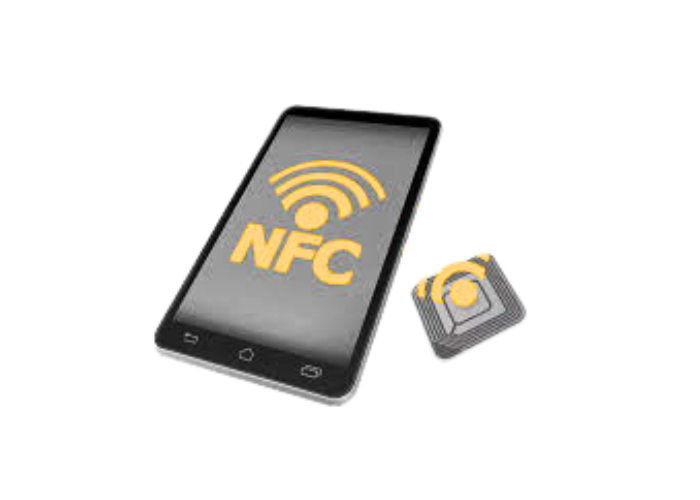
NFC enabled mobile phone

The 999 ReUnite devices use Near Field Communication (NFC) technology that is installed in most mobile phones to read a tiny microchip inside a wristband or fob.

Your device

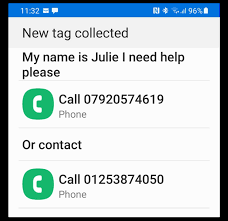
The device is set up by using a NFC tag writer app on a mobile phone. When the 999ReUnite device is scanned with a mobile phone, it will display the vulnerable person's first name and emergency contact numbers.

Contact information

Tap the back of the phone on the 999 Reunite logo to display this message. Click on any of these numbers and it will call the family member or carer.

How to set up your device

Video

999 ReUnite: Help Is Close By

999 ReUnite helps families, carers, and emergency services act quickly if someone goes missing. The scheme reduces stress, saves valuable time, and provides peace of mind by ensuring help is close at hand.

999 ReUnite devices are issued as part of our Home Fire Safety Check (HFSC). To request a HFSC and a 999 ReUnite device, call 0800 169 1125 or visit the HFSC web page. For further information about the scheme email preventionsupport@lancsfirerescue.org.uk

999 ReUnite encourages families and carers to sign up to the Herbet Protocol, which works alongside 999 ReUnite to provide even faster support and ensure the right help is sent without delay in an emergency

The Herbert Protocol

The Herbert Protocol is a simple but really important scheme designed to help keep people living with dementia safe.

It encourages families and carers to gather key information about a loved one in advance—things like a recent photograph, medical details, daily routines, and places they may be drawn to. This information is kept safely at home and can be shared quickly with the police if the person is ever reported missing.

Having these details ready means the police can act faster, focus their search more effectively, and reduce the time someone is missing. For families and carers, it also brings reassurance and peace of mind, knowing there’s a clear plan in place if the worst happens. Further information and to download a copy of the form can be found on this link.