9/11 Memorial Climb
Read the article written about 9/11 Memorial Climb
In September 2026, firefighters from Lancashire Fire and Rescue Service will travel to Atlanta, Georgia, USA, to take part in a landmark memorial event marking the 25t...
Your home has been visited by Lancashire Fire and Rescue Service. To help keep you safe, you’ve been provided with specialist fire‑retardant bedding and materials. These items are designed to reduce the risk of fire but only if used and cared for correctly.
Fire‑retardant bedding
Includes duvet, pillow, and covers
Must be kept on the bed
Replace covers after washing
Fire‑Retardant Throw
Usually placed on a chair or sofa
Keep it in place — it helps protect you
Fire‑Retardant Blanket
Provided to replace an existing blanket
Use this instead of non‑retardant alternatives
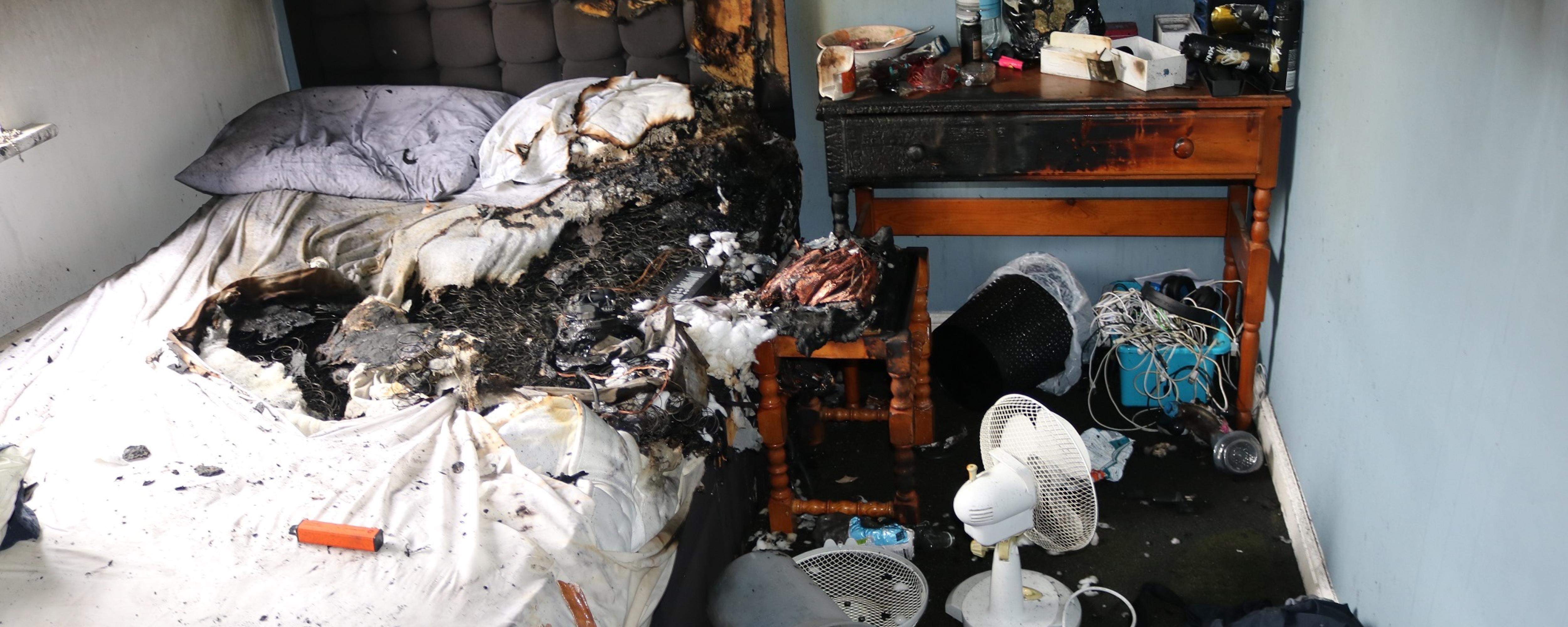
Smoking and smoking materials are the leading cause of fatal house fires. A recent incident involved a fire caused by smoking in bed — a reminder of how quickly things can go wrong.
Please avoid smoking in bed or near soft furnishings.
Do not cover fire‑retardant items with non‑retardant materials — this reduces their protection
Replace any fire‑retardant items that become damaged
A QR code and phone number are provided to request a Home Fire Safety Check: 0800 169 1125
To keep your fire‑retardant products effective, follow these guidelines carefully.
Bedding (Covers, Sheets, Pillowcases, Throws, Blankets)
Washing
Wash at 60°C (recommended)
Can be washed at 74°C for NHS‑level thermal disinfection
Frequent washing does not reduce fire‑retardancy if guidelines are followed
Drying & Ironing
Tumble dry on low heat
Iron on a cool setting
Do Not
Use soap powders like LUX or Velvet
Wash with other items — this can reduce fire‑retardancy
Use hypochlorite bleaches (e.g., Domestos Vortex, supermarket brands)
Use tumble‑dry sheets
Fire‑Retardant Duvets & Pillows
Washing
Wash at 60°C
Fire‑retardant for up to 50 washes, but filling becomes lumpy
Recommended: wash no more than 3–5 times, then replace
Drying
Tumble dry on low heat
Do Not
Use LUX or Velvet soap powders
Use hypochlorite bleaches or Persil
Emollients (creams, gels, sprays, bath/shower products) can soak into clothing, bedding, and bandages.
Emollients are not flammable on their own
BUT once dried into fabric, they make it burn hotter and faster if exposed to a flame
Safety Tips
Avoid smoking or going near naked flames when using these products
Wash clothing and bedding frequently
Use the highest temperature recommended on the label
Note: Washing reduces but does not remove all emollient build‑up.
Read the article written about 9/11 Memorial Climb
In September 2026, firefighters from Lancashire Fire and Rescue Service will travel to Atlanta, Georgia, USA, to take part in a landmark memorial event marking the 25t...
Read the article written about Blackpool Pleasure Beach mapped in 3D to support emergency planning
Blackpool Pleasure Beach has been digitally mapped in high-resolution 3D for the first time as part of a collaboration between Ordnance Survey, Lancashire Fire and Res...
Read the article written about Lancashire Fire and Rescue Service sets priorities for the year ahead
Lancashire Fire and Rescue Service has published its Annual Service Plan for 2026-27, setting out priorities for the year ahead as we adapt to changing risks and chall...