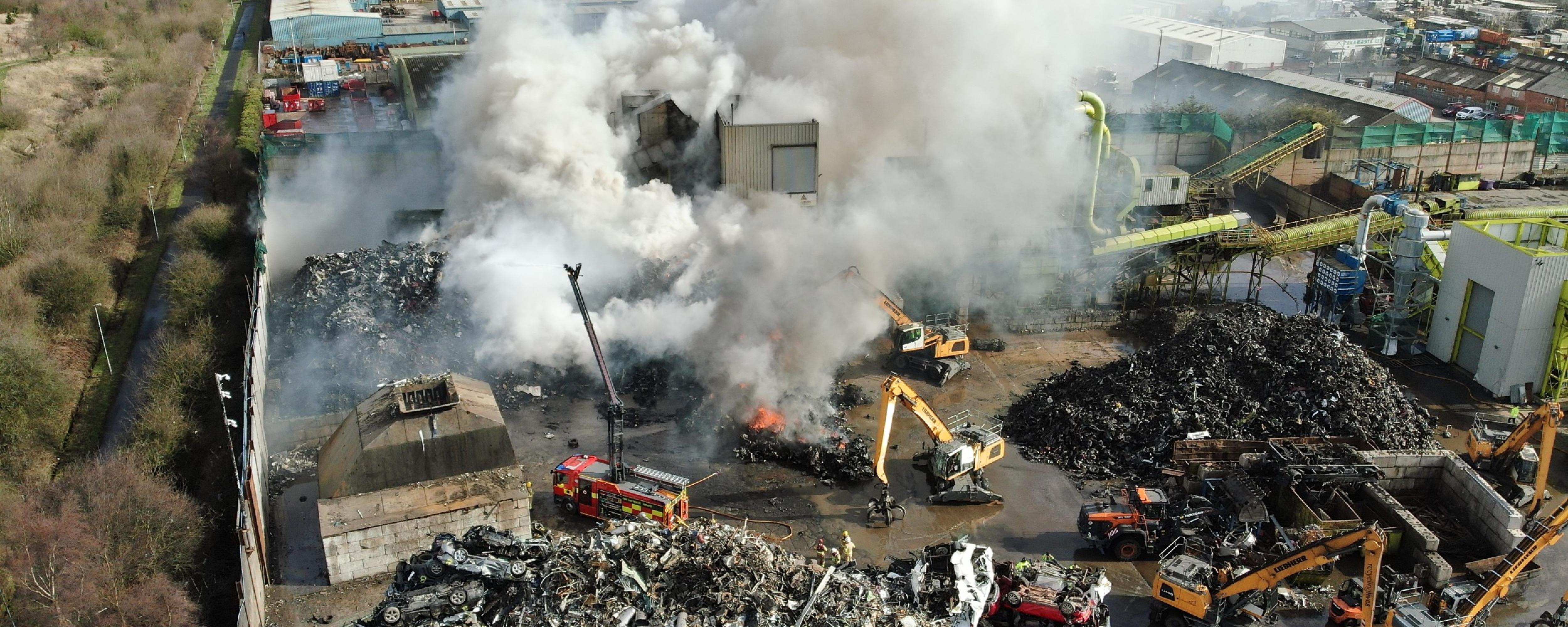

Commercial waste fires can be complex and dangerous incidents. They often produce thick smoke and can smoulder deep within compacted waste, sometimes lasting for days or even weeks.

In this video, Waste Fire Tactical Advisor Steve Barnes explains how these fires can start, how we extinguish them, and what you can do to help prevent them.

Our Response to Waste Fires

When a 999 call is received, our control room mobilises the appropriate resources. Once on scene, crews take a structured and safety-led approach:

  • Incident commanders assess hazards and risks

  • Safety cordons are established to protect the public and responders

  • A secure and sustainable water supply is set up

  • The response is scaled depending on the size and complexity of the incident

To safely tackle hard-to-reach hotspots, you may see specialist equipment in use, including:

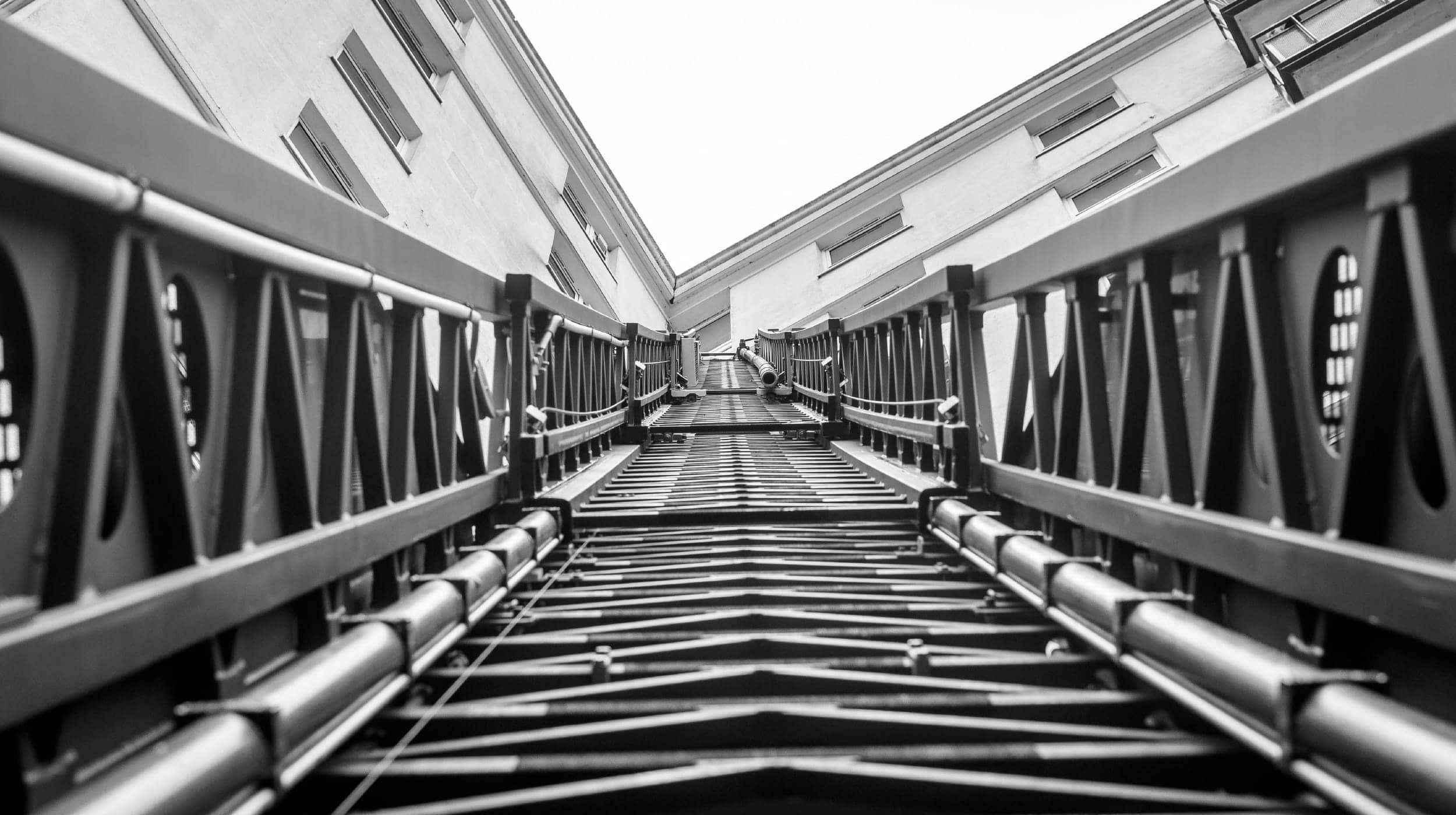
  • Aerial ladder platforms

  • Water towers

  • Drones for monitoring fire spread and hotspots

  • High-volume pumps

  • Specialist robotics to reduce risk to firefighters

Working With Partner Agencies

We work closely with partner organisations to manage the wider impact of these incidents and reduce disruption:

  • Local councils

  • The Environment Agency

  • Lancashire Police

  • UK Health Security Agency

Together, we coordinate:

  • Waste removal and site clearance

  • Demolition where required

  • Environmental protection measures

  • Public health advice for affected communities

Challenges of Commercial Waste Fires

Waste fires present unique challenges due to their unpredictable nature:

  • Deep-seated fire pockets can be hidden within compacted waste

  • Waste piles may be unstable and prone to collapse

  • Heavy machinery is often required to separate waste and expose the fire

  • Thick smoke can affect air quality and nearby businesses

  • Firefighting water run-off must be carefully managed to protect the environment

Advice for the Public

If you can see or smell smoke:

  • Close windows and doors

  • Turn off air conditioning, vents, or air-handling systems

  • Avoid the area to keep access routes clear for emergency vehicles

  • Do not fly drones, as they obstruct emergency operations

  • Follow our official channels for accurate, verified updates

Preventing Waste Fires

Businesses and the public can help reduce the risk of waste fires by:

  • Storing and disposing of waste correctly

  • Using registered and licensed waste carriers

  • Reporting unsafe or illegal waste practices to the appropriate authorities