Notify us
Help us keep you safe by following the Dangerous Substances (Notification and Marking of Sites) Regulations 1990 (NAMOS) and notifying us of Dangerous Substances kept on your property.
Farms and rural businesses face unique fire risks, from machinery and stored materials to open land and livestock. The guidance below provides practical advice to help you reduce the risk of fire, protect your property and livelihood, and ensure you are prepared in the event of an emergency. By taking simple preventative steps and knowing what to do if a fire occurs, you can help keep your people, animals and land safe.
Call 999 immediately
Provide:
The exact grid location (what3words or OS grid reference if possible).
What is burning or at risk (crops, hay, machinery, livestock housing).
Access details for fire appliances
Information about water supplies if available.
If it is safe to do so:
Move people and livestock to a safe area
Remain on site to guide fire crews to the incident
Do not attempt to tackle large fires yourself.
Take care when using machinery or equipment that generates heat or sparks (for example welding or grinding).
Keep farmyards and workshops tidy and free from waste or combustible build-up.
Ensure safe use and storage of any flammable materials.
Avoid bonfires, barbecues and open flames during hot, dry weather.
Dispose of smoking materials safely and only smoke in designated areas away from flammable materials.
Supervise contractors carrying out hot works.
Remove litter and glass bottles which can start fires in sunlight.
Keep grass, weeds and vegetation short around buildings, fencing and access routes, and remove dead vegetation while trimming trees and bushes close to structures.
Store hay, straw, fuel and other combustible materials safely, away from buildings and livestock housing and away from public access.
Responsible Persons must consider external fire spread within their Fire Risk Assessment under the Regulatory Reform (Fire Safety) Order 2005.
Create firebreaks where practical to slow the spread of fire.
Ensure clear access routes for emergency vehicles at all times.
Avoid planned burning in hot/dry periods.
Make sure staff and visitors know what to do if a fire starts.
Keep fire extinguishers available and regularly checked.
Ensure farm entrances and access points are clearly identifiable and are not blocked.
Monitor weather conditions and wildfire alerts during dry periods.
Identify water supplies that could assist firefighting crews.
Review your Fire Risk Assessment and ensure you have a business continuity plan in place.
Lock barns, sheds and outbuildings when not in use.
Secure fuel, fertilisers and chemicals in locked storage areas.
Maintain gates, fencing and boundaries to prevent unauthorised access.
Consider lighting, alarms or CCTV around buildings.
Report suspicious behaviour or trespassing to the police.
If your site stores or uses significant quantities of dangerous substances, you may be required by law to notify both the Fire and Rescue Service and the relevant enforcing authority.
The Dangerous Substances (Notification and Marking of Sites) Regulations 1990 (NAMOS) are designed to ensure firefighters attending an emergency are aware that dangerous substances may be present and can take appropriate precautions to protect people, property and the environment. To find out more abut the regulations and notify the Fire and rescue service visit the The Dangerous Substances (Notification and Marking of Sites) Regulations 1990 (NAMOS) page.
Help us keep you safe by following the Dangerous Substances (Notification and Marking of Sites) Regulations 1990 (NAMOS) and notifying us of Dangerous Substances kept on your property.

Read the article written about Lancashire Fire and Rescue Service Charity Firework Display 2026
Lancashire Fire and Rescue Service welcomes you to its annual charity firework display!Join us for a spectacular evening at our charity fireworks display hosted at Lea...
Read the article written about LFRS welcomes international recognition for pioneering wildfire drone project
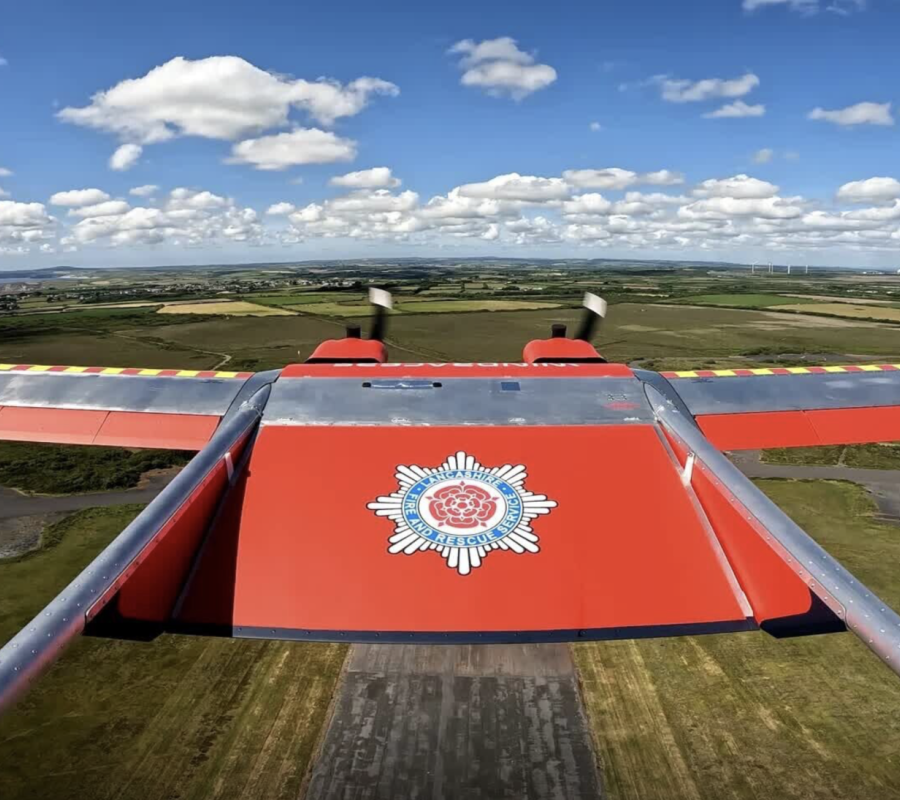
Lancashire Fire and Rescue Service (LFRS) has welcomed news that technology developed through its long-running collaboration with researchers, drone specialists and wi...
Read the article written about LFRS develops pioneering Heavy Lift Drone capability for wildfire response
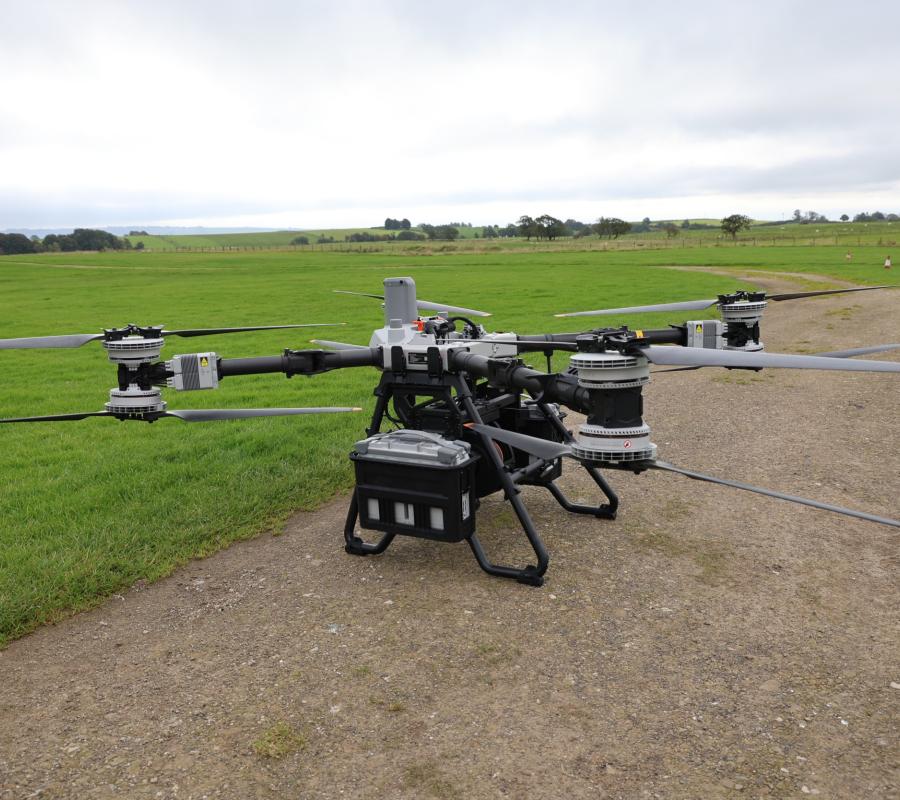
Lancashire Fire and Rescue Service (LFRS) is developing a groundbreaking Heavy Lift Drone capability that could transform how wildfires are tackled across Lancashire a...