Cold Water Kills
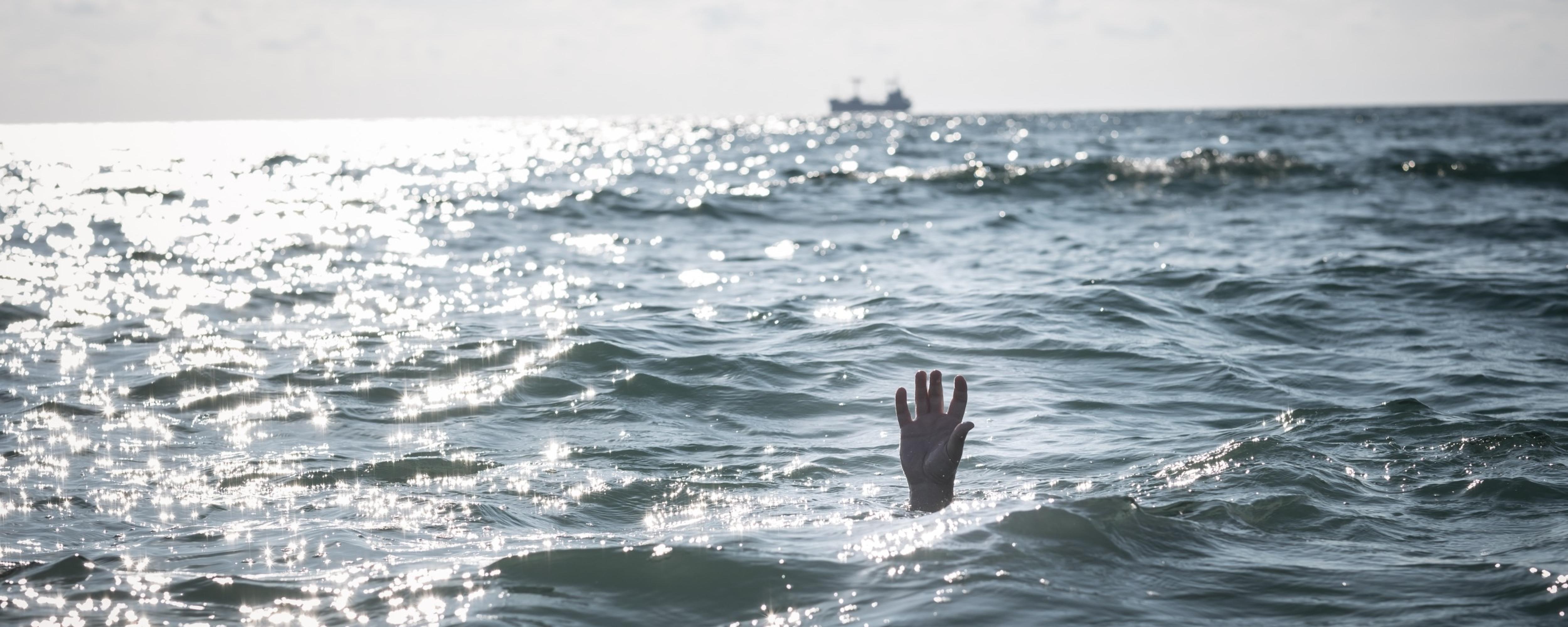
Cold water, hidden dangers, and risky choices take young lives every year. Most drownings happen fast, silently, and to people who never thought it would be them. This page is here to help you stay safe, stay smart, and stay alive.
Why Open Water Is More Dangerous Than It Looks
Cold water shock can shut your body down in seconds—even if you’re a strong swimmer.
You can’t see what’s under the surface: weeds, metal, sudden drops, strong currents.
No lifeguards, no help—if something goes wrong, you’re on your own.
Slippery banks and steep sides make it hard to get out.
Open water can make you seriously ill from bacteria and pollution.
Alcohol + Water = Real Danger
Nearly half of accidental drownings in 18–25-year-olds involve alcohol. Most didn’t even mean to go in the water—they slipped, stumbled, or misjudged their surroundings.
Alcohol makes you:
Take risks you wouldn’t normally take
Lose balance and coordination
React slower
Struggle to swim, even in shallow water
If you’ve been drinking, stay away from water. And don’t let your mates walk home near rivers or canals alone.
If You Get Into Trouble:
Float to Live
If you fall in or start to panic:
Fight the urge to swim
Lie on your back
Spread your arms and legs
Breathe slowly and stay calm
Shout for help when you can
Cold water shock passes in about a minute—floating gives you the best chance of surviving it.
When Someone else is in Trouble
If You See Someone Struggling,
Act fast, stay safe
Call 999 immediately
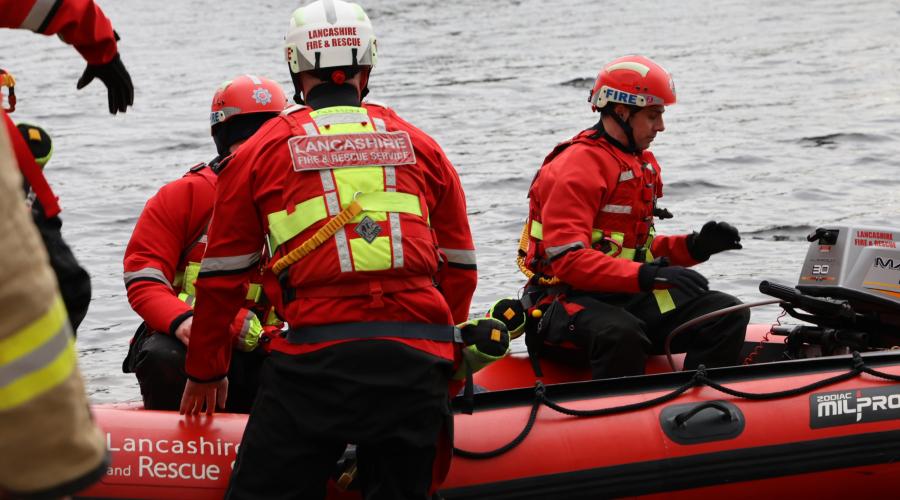
At rivers, canals or reservoirs: ask for Fire and Rescue
At the coast: ask for the Coastguard
Shout for help and point to where the person is
Don’t jump in—most drownings happen when people try to rescue others