Crewing systems
Wholetime 2/2/4
· Firefighters provide 24-hour cover from the station. Four watches of six firefighters.
Flexible Day Crewing
· Firefighters provide cover from the fire station during the day (8am - 6pm) and respond from their home address within five minutes of the station outside of these hours (6pm – 8am) in the same way as on-call firefighters (see below). One watch of 12 firefighters.
On-call
· On-call firefighters live or work very close to the fire station (within five minutes of the station) and often have another job outside Lancashire Fire and Rescue Service. They respond to emergencies in the community from home or work. They receive the same training as wholetime firefighters and attend the same incidents.
Day Crewing Plus
· Firefighters provide cover from the station during the day (8am- 8pm) and from purpose-built accommodation based within the station grounds in the evenings (8pm-8am).
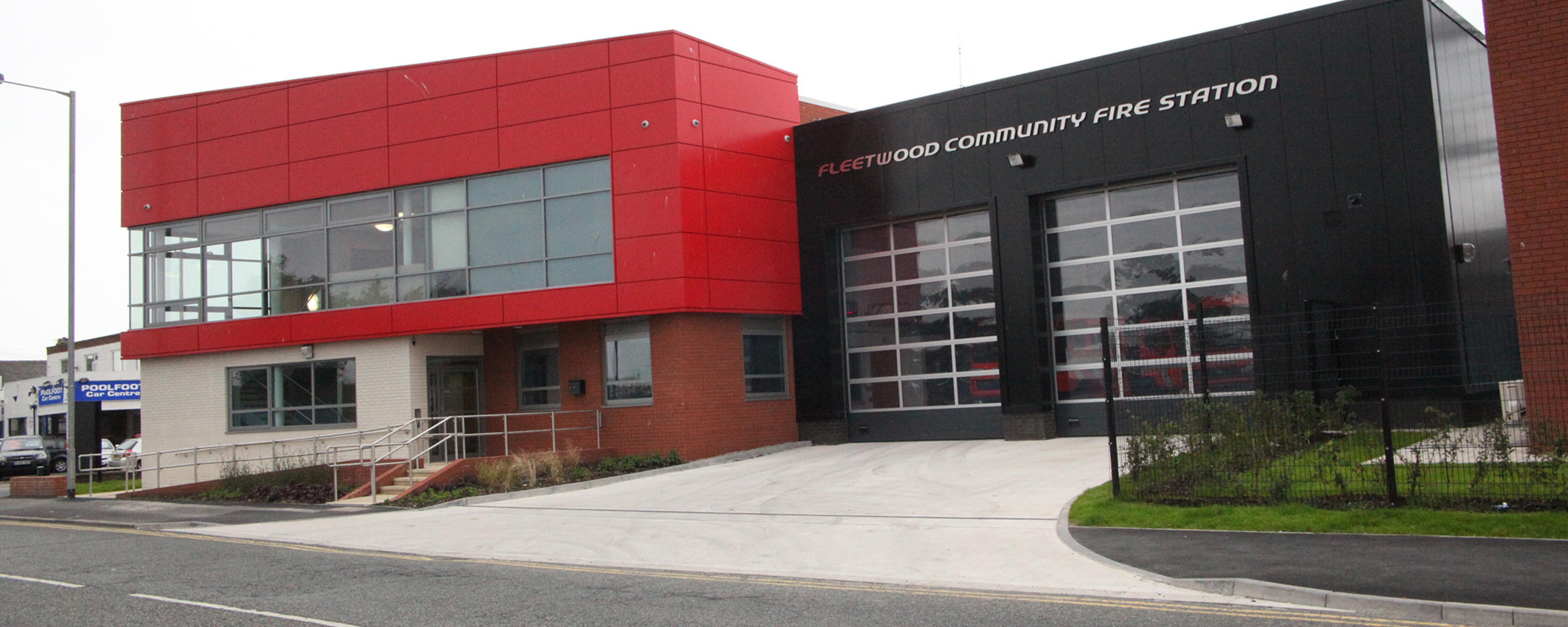
Community risk in Fleetwood
· A predominantly low risk area[SCS1] [AS2] [AS3] [AS4] [SS5] , Fleetwood has some medium risk areas and one high risk area. There are no very high-risk areas.
The locations, numbers and types of fire stations, vehicles, equipment and skills with which we operate are matched to community risks and incident levels across the county. Our prevention and protection services are also targeted at reducing incidents in the areas of highest risk.
Lancashire is split into small geographical areas and risks are calculated for each area based on the probability of an incident occurring and the consequences if it does. This calculation grades each area as one of four risk levels, from low to very high.
Risks are identified annually in our Strategic Assessment of Risk and our Community Risk Management Plan and supporting strategies set out how we respond to them. Each year we aim to reduce overall fire risk in Lancashire and over the last 15 years we have seen risk go down by 18%.[SC6] [AS7] [AS8]
Emergency cover
Emergency cover must reflect the most effective and efficient use of resources for the whole of Lancashire. Some areas have more resources than others because there are greater community risks and activity levels are higher.
We always send the closest fire engines to critical incidents [AS9] [SS10] [AS11] which may not always be those based in your local fire station, which may be at an incident already or involved in training or other activities. There are 58 fire engines and 45 specialist appliances in Lancashire and we move them around the county to meet risk and demand, positioning firefighters and fire engines in precisely the locations they are needed.
Incident levels in Fleetwood
· Fleetwood has an average of 636 incidents per year within its station area, the lowest of any of Lancashire’s wholetime 2/2/4 crewed stations. Incident numbers align with FDC crewed stations.
· There are 44 critical fire incidents per year in Fleetwood on average which also aligns with FDC crewed stations.
· Fleetwood’s 2/2/4 fire engine is mobilised[SC12] [AS13] 710 times per yearon average. This makes it the least utilised 2/2/4 fire engine and aligns it with FDC crewed stations.
· The majority of incidents take place during daytime hours when FDC crewing provides immediate response from the station.
See appendix for more data.
Reasons for the trial
· Response standards are maintained with FDC crewing arrangements.
· FDC crewing aligns with community risk and incident levels in Fleetwood.
· FDC already works effectively at five other fire stations in Lancashire.
· No change to emergency cover during the daytime.
· Station retains two fire engines.
· Challenges maintaining 2/2/4 staffing due to location at the tip of the Fylde Coast peninsula – FDC in more sustainable.
· FDC will mean the whole station is crewed by firefighters who live in Fleetwood and all surplus firefighters will be deployed to other stations.
· Prevention and protection services will be maintained to continue lowering risk.
Considerations
There will be an on-call response to incidents between 6pm and 8am (+approximately 4 minutes).
· Response:
o This does not affect our ability to meet our emergency response standards.
o Home fire safety and business fire safety check services will be maintained.
o FDC crewing arrangements meet community risk and incident levels reflecting better use of resources and value for money.
o The trial will be closely monitored and evaluated at regular intervals to ensure no adverse impacts.
Overall view
Crewing Fleetwood in line with risk and demand in the area would make more efficient use of our resources while maintaining sufficient emergency cover in the area, with two fire engines retained and a total of 10 fire engines available on or near the Fylde Coast.
Emergency response standards
Each fire and rescue service sets its own emergency response standards; ours are some of the most challenging in the country and our performance is among the best.
Critical fires
We have response standards in relation to critical fires, which are incidents involving a significant threat to life, structures or the environment.
· Response time: the time from the initial call to our control centre to the arrival of the first fire appliance at the incident.
· Response standard: the response time we must achieve which is determined by risk levels in the area (see table below).
Very high risk area | High risk area | Medium risk area | Low risk area |
6 minutes | 8 minutes | 10 minutes | 12 minutes |
Critical special service incidents
We also have a response standard for critical special service incidents, which are not fires but still present a risk to life, such as road traffic collisions and rescues.
All critical special service calls | 13 minutes |
We have achieved our response standards when the response time of the first fire engine arriving at critical fires and critical special service incidents, averaged over each quarter of the year, is within the relevant number of minutes.
About Lancashire Fire and Rescue Service
There are 39 fire stations across Lancashire. Service headquarters is located in Fulwood and our Leadership and Development Centre is located in Chorley.
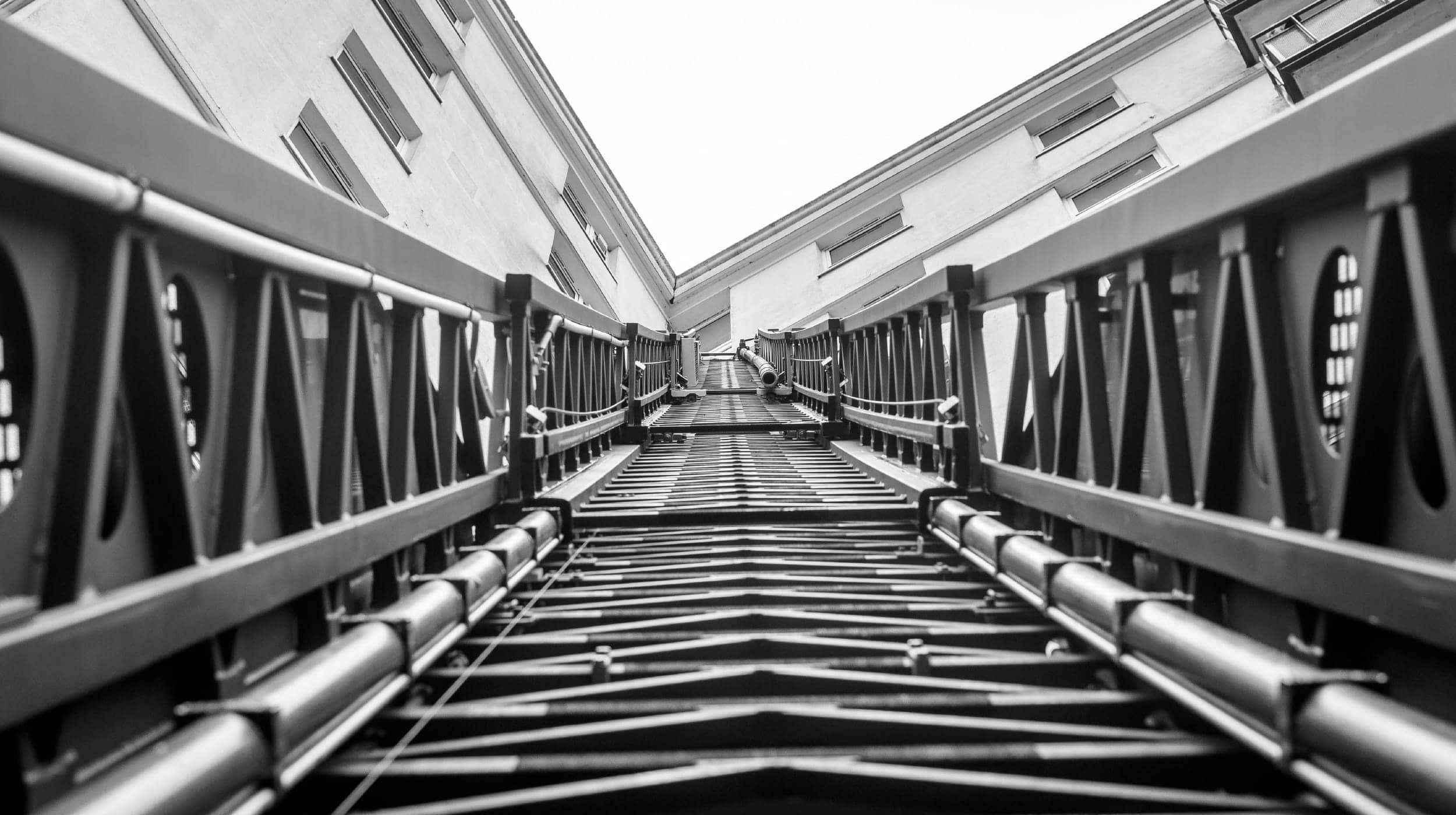
The Service has 58 fire engines with different purposes and equipment carried onboard. We also have numerous special vehicles and equipment ranging from aerial ladder platforms to rescue boats.
Our services
Prevention: Making safety interventions in the homes of those most at risk of fire and supporting people to adopt safe practices
We constantly endeavour to prevent fires and other emergencies from happening. Prevention is always preferable to response and is by far the most effective way to make Lancashire safer. We identify those who are most vulnerable in our communities, and design and target our prevention activities to support people to reduce their risk. Our core prevention service is the Home Fire Safety Check service where we make practical interventions in the homes of those most at risk of having a fire.
Protection: Supporting businesses and landlords to keep their buildings safe and taking action if they do not.
Our fire protection services aim to reduce the number of fires that occur in commercial premises and the impact on life, property, and business disruption when fires do occur. We support businesses, employers, and landlords to meet their legal duties and keep people safe in their buildings with a county-wide inspection programme including our Business Fire Safety Check service.
Response: Responding to fires and a wide range of other types of emergencies quickly and competently.
Lancashire Fire and Rescue Service strives to deliver the highest standards of operational response by focussing on availability, preparedness, and operational competence. Risks in communities are changing and the types of emergencies we attend are increasingly varied. We constantly review and adapt our approach to ensure we have the right appliances, equipment, skills, and technology to respond to any incident quickly and competently.
Service support: Specialist functions that support the delivery of frontline prevention, protection and response
services. Support services are essential and incorporate a wide range of vital functions, from human resources to fleet and engineering, that support the delivery of prevention, protection and response services. Support services ensure that operations run smoothly behind the scenes and our frontline staff are equipped to deliver services.
Funding
Our budget is made up of government grants, council tax and business rates. Lancashire residents pay £94.73 per year for our services which means that LFRS is one of the lowest‑cost services in the country, at £1.82 per week (on a band D property). Find out more at www.lancsfirerescue.org.uk/funding.
Performance
His Majesty’s Inspectorate of Constabulary and Fire and Rescue Services independently assesses the effectiveness and efficiency of fire and rescue services in the public interest. In our last inspection in 2025, the Service was awarded six ‘outstanding’ and five ‘good’ ratings across 11 inspection areas.
We also has a number of challenging targets for a range of key performance indicators which help us to monitor and measure our performance in achieving success and meeting our priorities. Find out more at www.lancsfiresrescue.org.uk/performance.
Consultation
We welcome your views on our proposals through our consultation. Your feedback will be considered before any decisions are made.
Why are we consulting?
We have considered data, met with staff and trade unions, and looked at new and emerging risks to ensure our emergency cover is fit for the future. We believe that the proposal will enable us to trial more effective and efficient crewing arrangements.
But we want to know what you think of our proposals. Do you agree with them? What impact might they have on you? Is there anything else we should consider?
Who are we consulting with?
We have identified a range of different stakeholders we feel could have important feedback on our proposals. This includes residents, businesses, partners, staff and elected representatives.
How do people take part?
We are also talking to people in the community and we have also put together a set of questions in a survey to help us collect feedback. This is available for anyone to complete online on our website at www.lancsfirerescue.org.uk/fleetwood.
What will we do with the feedback?
Once the consultation closes, all the feedback will be reviewed and we will consider how we can mitigate any areas of impact or act on suggestions given.
When does the consultation close?
The consultation closes on 30 June 2026.
Further information
For further information visit www.lancsfirerescue.org.uk/fleetwood or email consulation@lancsfirerescue.org.uk.