Creating a positive culture
We want Lancashire Fire and Rescue Service to be a place where people feel valued, included and able to reach their full potential.
Creating a positive culture is everyone's responsibility. We expect colleagues to role model our values, treat each other fairly and respectfully, and speak up when behaviour does not meet the standards we expect.
We also recognise the importance of addressing concerns fairly and transparently. In 2025–26, we established a professional standards function to oversee the investigation of misconduct concerns, with scrutiny from our Equality, Diversity, Inclusion and Culture Board and Service Management Team.
Listening to our people
Creating an inclusive culture means listening to our people and acting on what we hear.
Our employee voice groups, staff surveys and wider engagement provide opportunities for colleagues to share their experiences, raise concerns and contribute their ideas. Feedback helps us identify barriers and inform our policies, plans and decision making.
Our Equality, Diversity, Inclusion and Culture Board provides a forum where colleagues can raise issues, share experiences and help shape our approach to equality, diversity and inclusion.
We also engage directly with colleagues through watch, station and team visits, helping leaders understand the experiences of our people and where improvements are needed.
Our 2025 staff survey provided further insight into the issues that matter to our people. We have developed an action plan in response to the findings and made the results available to leaders through a dedicated dashboard.
Inclusive leadership
Our leaders have an important role in creating and maintaining a positive culture.
We expect leaders to role model our values, build trust, listen to feedback, engage and support their teams, and challenge poor behaviour when it occurs.
We are investing in leadership development and creating opportunities for managers to contribute to Service decisions, share ideas and feedback, and support their teams.
During 2025 to 2026, we delivered pilot leadership development sessions and established extended leadership events for middle managers and a Watch Managers' Forum, providing opportunities for managers to contribute to Service direction and engage with their teams.
Building a diverse workforce
We want our workforce to reflect the communities we serve.
This means understanding where barriers exist and taking action to attract, recruit, retain and develop people from a wide range of backgrounds and experiences.
Our People Strategy sets out our commitment to developing a workforce that is diverse, capable and able to meet the needs of Lancashire's communities. It also recognises the importance of fair opportunities for development and progression.
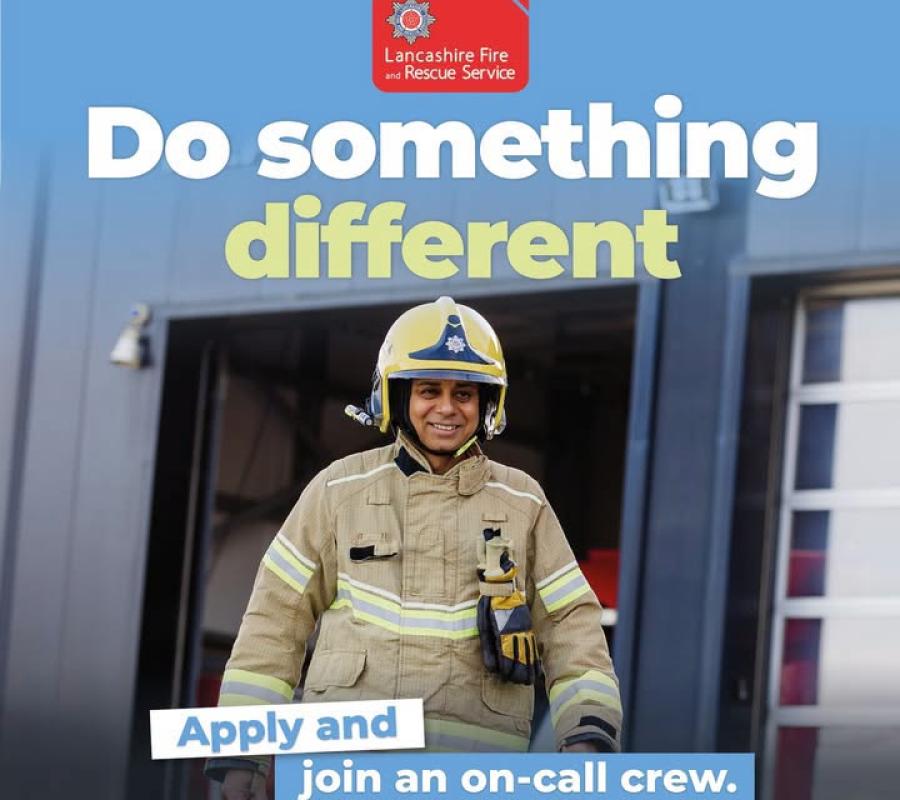
During 2025 to 2026, we held four Have A Go events to generate interest in wholetime firefighter careers and attract new talent. We also improved recruitment materials to provide more information for candidates and better support candidates who are neurodiverse, alongside introducing a new recruitment and onboarding tool.
Turning feedback into action
Listening to our people is only meaningful if it leads to change.
During 2025 to 2026, feedback from on-call firefighters led to changes in how and where training is delivered, making it easier for colleagues to acquire and maintain their skills and knowledge.
We also established a firefighting tactics staff group, giving employees an opportunity to propose and test changes to equipment and review operational guidance.
These are examples of how the experience and expertise of our people can help shape how Lancashire Fire and Rescue Service works.
Measuring our progress
We know that creating a more inclusive culture is an ongoing process and that we need to understand whether our actions are making a difference.
Our 2025 staff survey recorded an overall staff engagement index of 69%, with a 44% response rate.
Our workforce was 23% female and 4% diverse ethnicity at the time of reporting.
We continue to use staff feedback, workforce information and performance reporting to understand where we are making progress and where more work is needed.