Information
Lancashire Fire and Rescue Service's (LFRS) Community Risk Management Plan (CRMP) is a five-year plan for how we will make Lancashire safer. We have started work on our next CRMP, which will set out the direction of the Service from 2027 to 2032, based on the greatest risks to the people and communities of Lancashire. The CRMP 2022-27 can be viewed on our website.
The environment we operate in is constantly changing and new risks to our communities frequently emerge. It is our job to make sure we are equipped to deal with these changing risks by adapting our services and skills to prevent, protect and respond effectively. This is the purpose of our CRMP. It will be supported by six core strategies:
· Response Strategy
· Prevention Strategy
· Protection Strategy
· People Strategy
· Digital Strategy
· Finance Strategy
To help shape the CRMP and options for how we may deliver services in the future, we intend to engage and consult with residents, businesses, partner agencies, community groups, and employees in two phases.
This is phase one: we want to understand the needs and expectations of the people who live and work in our county. We will explain the challenges and drivers for change and invite views on our proposed direction of travel.
We will use your feedback to develop our draft plan and develop options for how our services may be delivered in the future before consulting you again in more detail in phase two during summer / autumn.
Our priorities and values
Our aim is to make Lancashire safer and our priorities are:
· Valuing our people so they can focus on making Lancashire safer
· Preventing fires and other emergencies from happening
· Protecting people and properties when fires happen
· Responding to fires and other emergencies quickly and competently
· Delivering value for money in how we use our resources
Our STRIVE values set out how we treat each other and how we serve the public:
Service – Making Lancashire safer is the most important thing we do.
Trust – We trust the people we work with
Respect – We respect each other.
Integrity – We do what we say we will do.
Valued – We actively listen to others.
Empowered – We contribute to decisions and improvements
Our performance
In 2025, LFRS set the national benchmark for excellence, achieving the best inspection outcome by His Majesty’s Inspectorate of Constabulary and Fire and Rescue Services. The Service was awarded six ‘outstanding’ and five ‘good’ ratings across the 11 inspection areas.
More performance information is available on our website.
Our budget
Our budget in 2025-26 was £77.5 million. This is made up from several funding sources:
Council tax – 54%
Business rates – 28%
Government grants – 18%
Our budget has not matched rising costs and new demands in recent years - real-term funding has dropped by £10 million since 2016.
We are proud of the value for money we provide – we are one of the biggest fire and rescue services in the country, yet our council tax is below the national average. Lancashire residents pay £89.73 per year for our services (on a band D property) and fire and rescue accounts for just 4% of the overall council tax bill.
However, we have a shortfall in our funding – at least £5 million over the next five years - and must make savings to maintain our services and make vital investment in our service.
How we operate
We have 1,160 employees:
Wholetime firefighters work full-time with LFRS.
On-call firefighters often have another job outside LFRS and respond to emergencies in their communities from home or work when needed.
Service support staff are specialist employees who provide technical expertise in a range of functions.
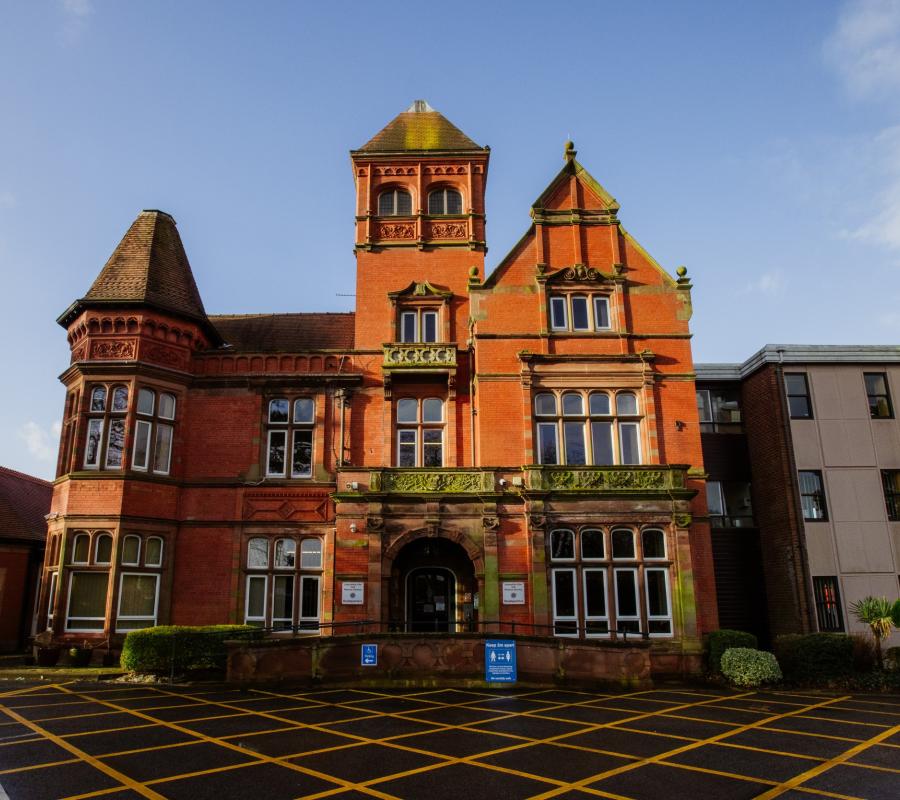
There are 39 fire stations across the county plus Service headquarters which is located in Fulwood and our Leadership and Development Centre in Chorley.
Our fleet has 58 fire engines:
We also have numerous specialist vehicles and equipment ranging from aerial ladder platforms to rescue boats.
Although we have 58 fire engines in total, they are not all available all of the time and availability fluctuates. Through the daytime, particularly during the working week, the number reduces as some of our on-call fire engines are unavailable due to challenges of recruiting and retaining enough on-call firefighters, particularly in our rural areas. This is a national challenge.
Our county is highly diverse in terms of both deprivation and affluence, containing some of the highest and lowest risk areas in the country. LFRS provides a high level of service for a comparatively modest budget and does so more efficiently on a cost per-person basis than many other services. This efficiency is achieved despite facing greater diversity and disparity in population needs than most comparable services.
Our services
Prevention: Making safety interventions in the homes of those most at risk of fire and supporting people to adopt safe practices.
We constantly endeavour to prevent fires and other emergencies from happening. Prevention is always preferable to response and is by far the most effective way to make Lancashire safer. Our approach recognises life’s different stages and we focus on helping people start safe, live safe, age safe, and be safe on our roads and around water. We identify those who are most vulnerable in our communities, and design and target our prevention activities to support people to adopt safe practices and reduce their risk. Our main service is the home fire safety check service, where we make practical interventions in the homes of those most at risk of having a fire.
Protection: Supporting businesses and landlords to keep their buildings safe and taking action if they do not.
We aim to reduce the number of fires that occur in commercial premises and the impact on life, property, and business disruption when fires do occur. We support businesses, employers, and landlords to meet their legal duties and keep people safe in their buildings with a county-wide inspection programme. We take a risk-based approach to inspecting businesses: fire safety inspectors focus their activity on complex, high-risk premises and operational crews check lower risk premises such as schools, shops and offices through our business fire safety check service.
Response: Responding to fires and a wide range of other types of emergencies quickly and competently.
We strive to deliver the highest standards of operational response by continuously planning, preparing, and training for emergencies. Risks in communities are changing and the types of emergencies we attend are increasingly varied. We respond to everything from fires and road traffic collisions to flooding and building collapses. We also support other emergency services by responding to missing person searches and gaining entry for medical emergencies to support North West Ambulance Service. We constantly review and adapt our approach to ensure we have the right appliances, equipment, skills, and technology to respond to any incident quickly and competently.
Service support: Specialist functions that support the delivery of frontline prevention, protection and response services.
Support services are essential and incorporate a wide range of vital functions, from human resources to fleet and engineering, that support the delivery of prevention, protection and response services. Support services ensure that operations run smoothly behind the scenes and our frontline staff are equipped to deliver services.
Risk and demand in Lancashire
Community risk
The locations, numbers and types of fire stations, vehicles, equipment and skills with which we operate are matched to community risks and incident levels across the county. Our prevention and protection services are also targeted at reducing incidents in the areas of highest risk. Risks are identified annually in our Strategic Assessment of Risk and our Community Risk Management Plan sets out how we respond to them. Community risks are constantly changing and new risks frequently emerge. Wildfires, illegal waste site incidents, and e-charging fires are all examples of emergencies that have become higher risks in recent years.
The top five risks in Lancashire at present are:
The full list can be viewed in the Strategic Assessment of Risk on the Service’s website.
Demand
Demand also changes over time: the number of incidents we respond to has fluctuated over the last 15 years.
What has changed is the type of incidents we respond to:
Fires have dropped from representing 41% to only 28% of all incidents.
False alarms are broadly the same, representing 43% now compared to 48% in 2010-11.
Special service incidents have increased from 11% of all incidents to 29%.
Primary fires are generally serious fires involving property or any fires involving casualties, rescues, or any fire attended by five or more fire engines.
Secondary fires are generally small outdoor fires, not involving people or property.
Special service incidents are made up of many different activities such as such road traffic collisions, flooding, and assisting other agencies (for example gaining entry to properties on behalf of the police and ambulance service during medical emergencies).
False alarms are where we attend a location believing there to be a fire but, on arrival, discover that it was a false alarm. This could be due to a fire alarm operating in error, calls from the public who believe there is a fire, or malicious calls.
Most incidents, including house fires, happen between 10am and 10pm, peaking between 4pm and 8pm.
Key challenges and drivers for change
Changing risk: risks change over time, differ by area and demographic, and need different interventions to reduce the likelihood of happening or to lessen the consequences.
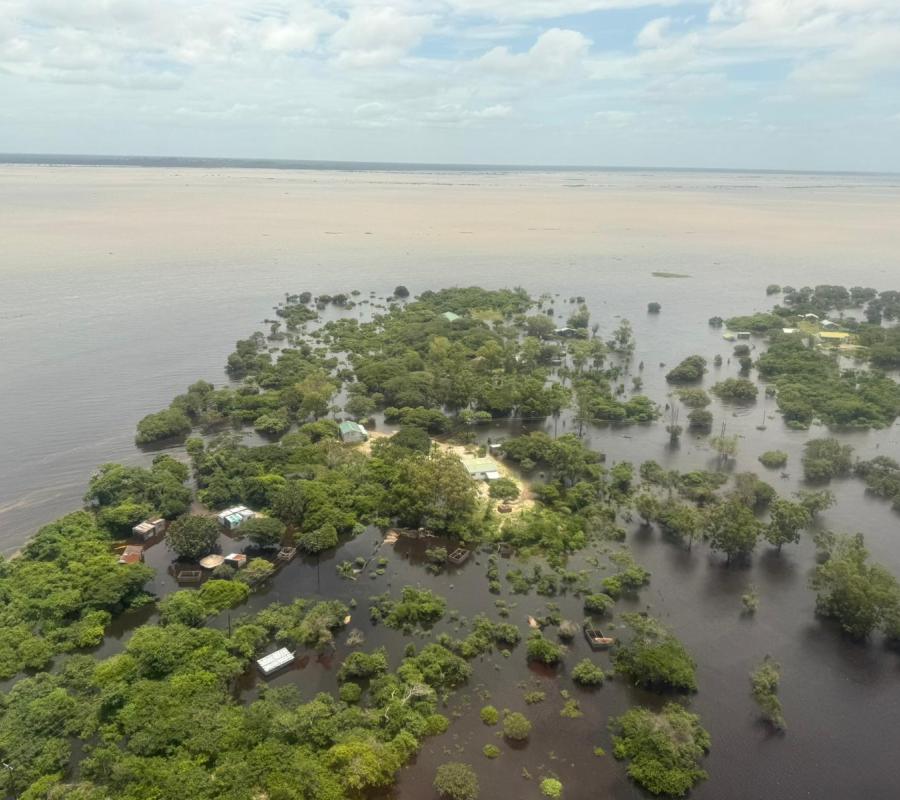
Changing demand: the number and types of fires we attend has gone down and the types of emergencies we respond to has changed, with incidents such as assisting other agencies on the rise, and the challenges of dealing with climate change in respect of flooding and wildfire increasing.
Fire engine availability: the number of fire engines available fluctuates during each day and the lowest availability is now often when demand is highest, particularly in rural areas where on-call firefighter availability is reduced due to recruitment and retention challenges. We want to balance this to a sustainable model that provides more resources when demand is highest.
Lancashire’s population: the demographic profile of communities is changing and more vulnerable people require tailored prevention support.
Budget pressures: funding provided to the Service has not kept pace with rising costs and future funding remains uncertain, requiring efficiency savings to ensure ongoing financial sustainability.
LFRS buildings: many fire stations are outdated and not fit for modern operational needs, maintenance costs are increasing and vital investment is needed.
Technology and innovation: there are opportunities to modernise the types of vehicles we use and how we get the right skilled people and equipment to incidents as quickly and safely as possible.
Future investment: as a high performing fire and rescue service, we need to continually invest in our people, systems, and assets to deliver the best possible services in ever increasingly efficient ways.
Potential areas for change
Any future changes aim to address our challenges and capitalise on opportunities for the purpose of meeting Lancashire’s needs now and in the future:
Re-locating or merging stations and vehicles to better match risk and demand.
Changing staffing (duty) systems to deploy resources more flexibly based on risk and demand.
Reviewing the response model for attending various types of emergencies and for how we respond to incidents arising from the actuation of a fire alarm system.
Reviewing the way prevention, protection and support services are delivered.
Rationalising our estate, reinvesting in training facilities and improving the efficiency and suitability of our buildings.
Harnessing the benefits of technological change to improve how services are delivered.
For a downloadable copy of this document visit publication and consultation.